Industries We Serve
View all industries
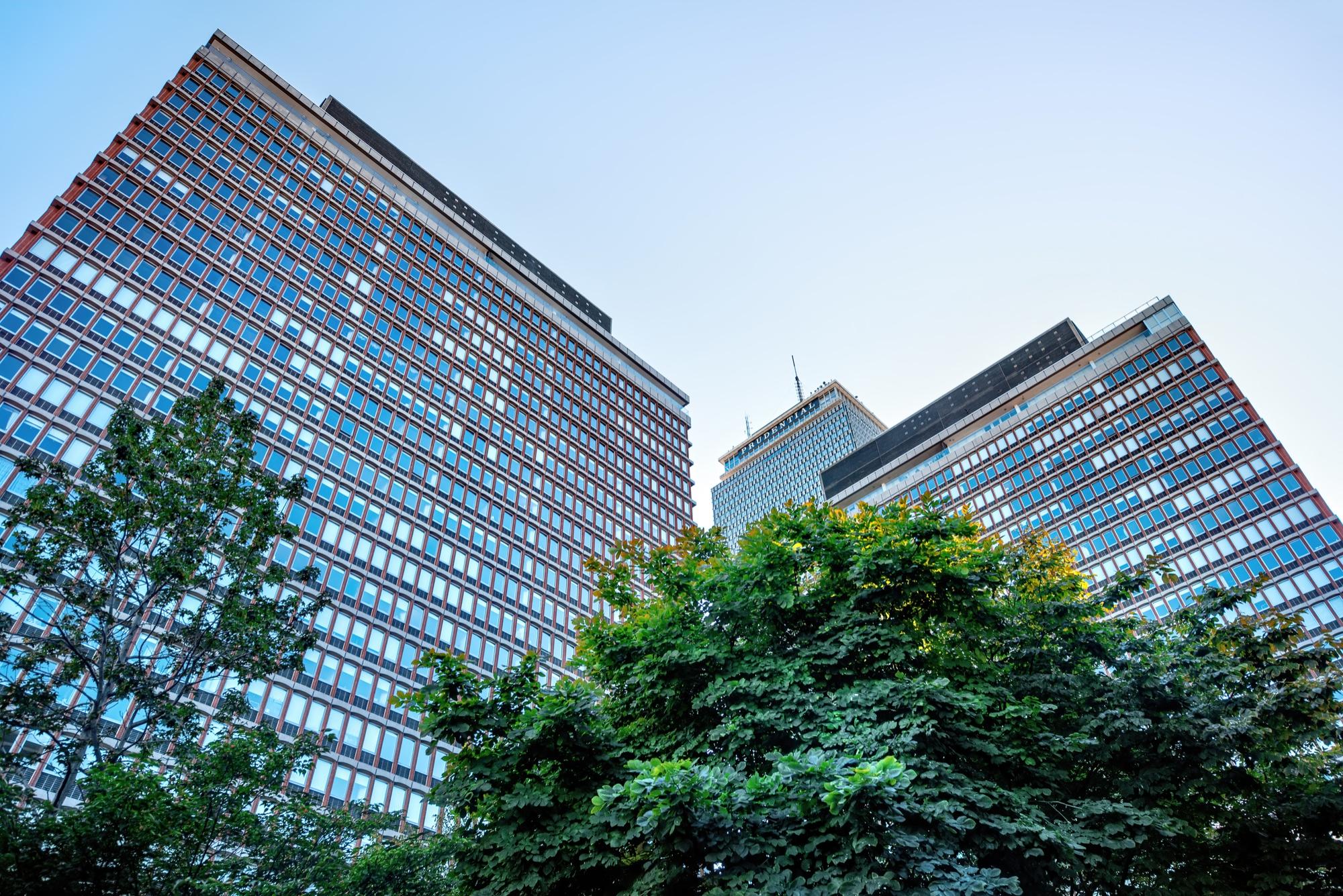
Commercial Real Estate
Office parks, retail, mixed-use

Data Centers
Mission-critical connectivity
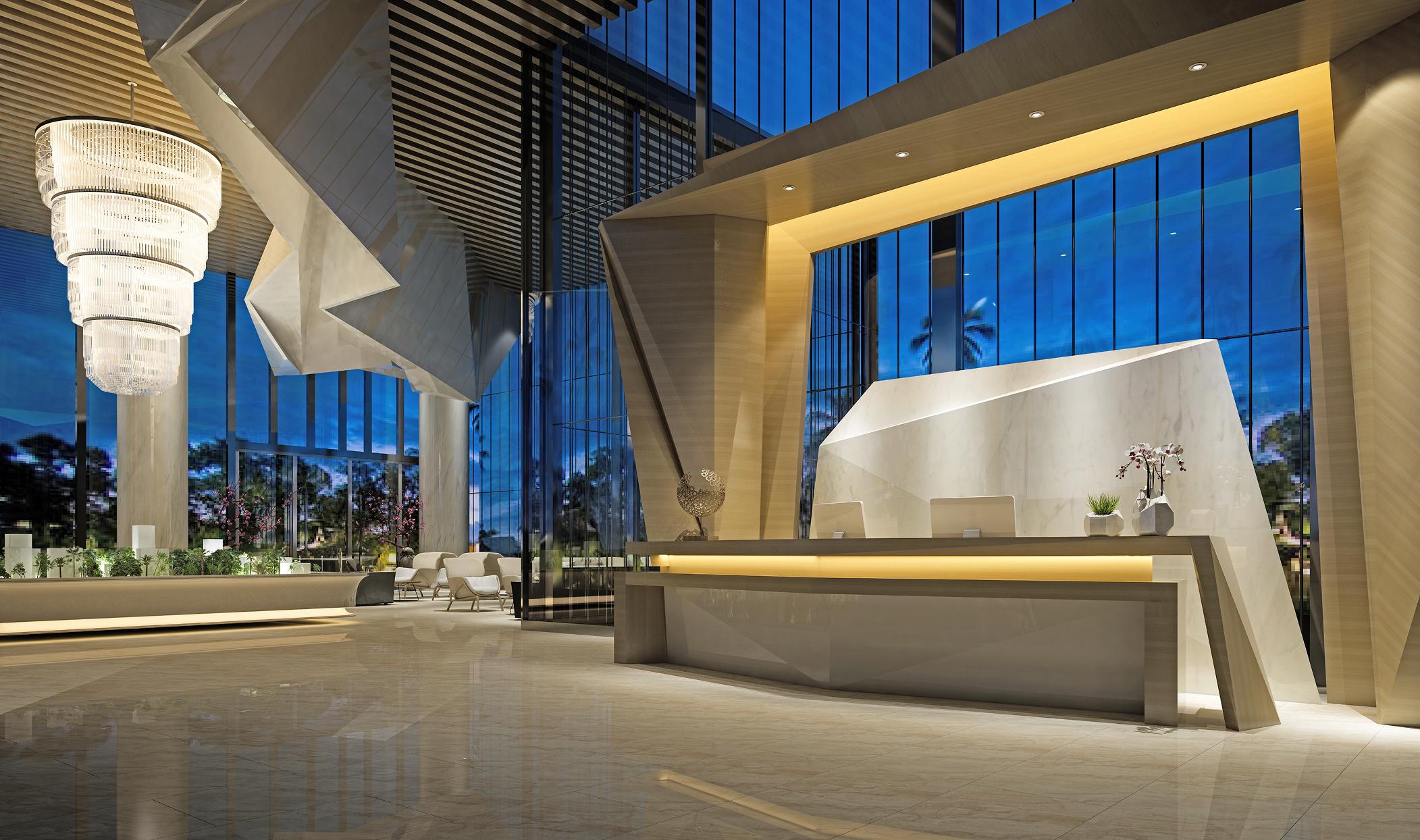
Hospitality
Hotels, resorts & venues
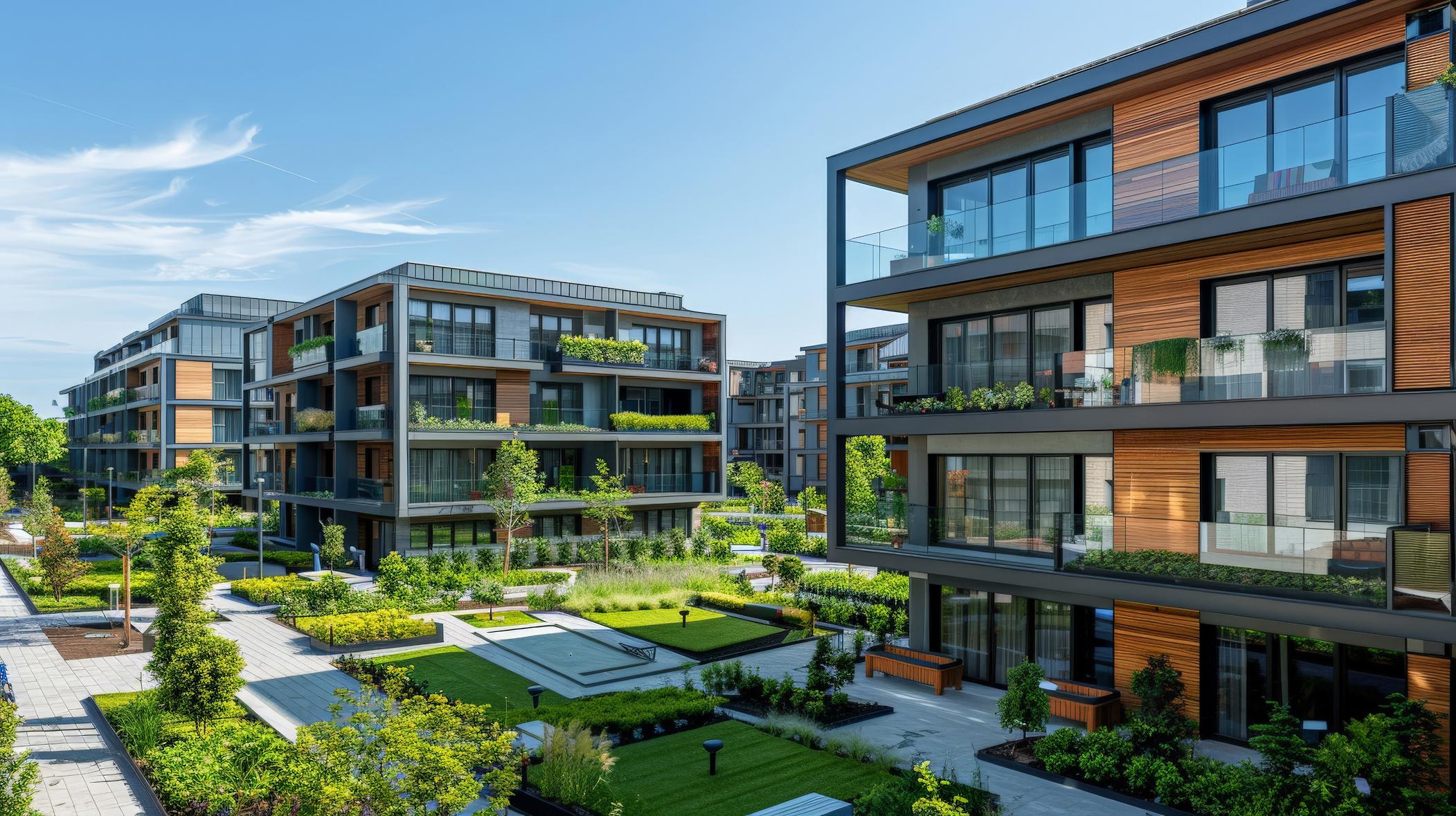
Residential
MDUs, HOAs & smart homes
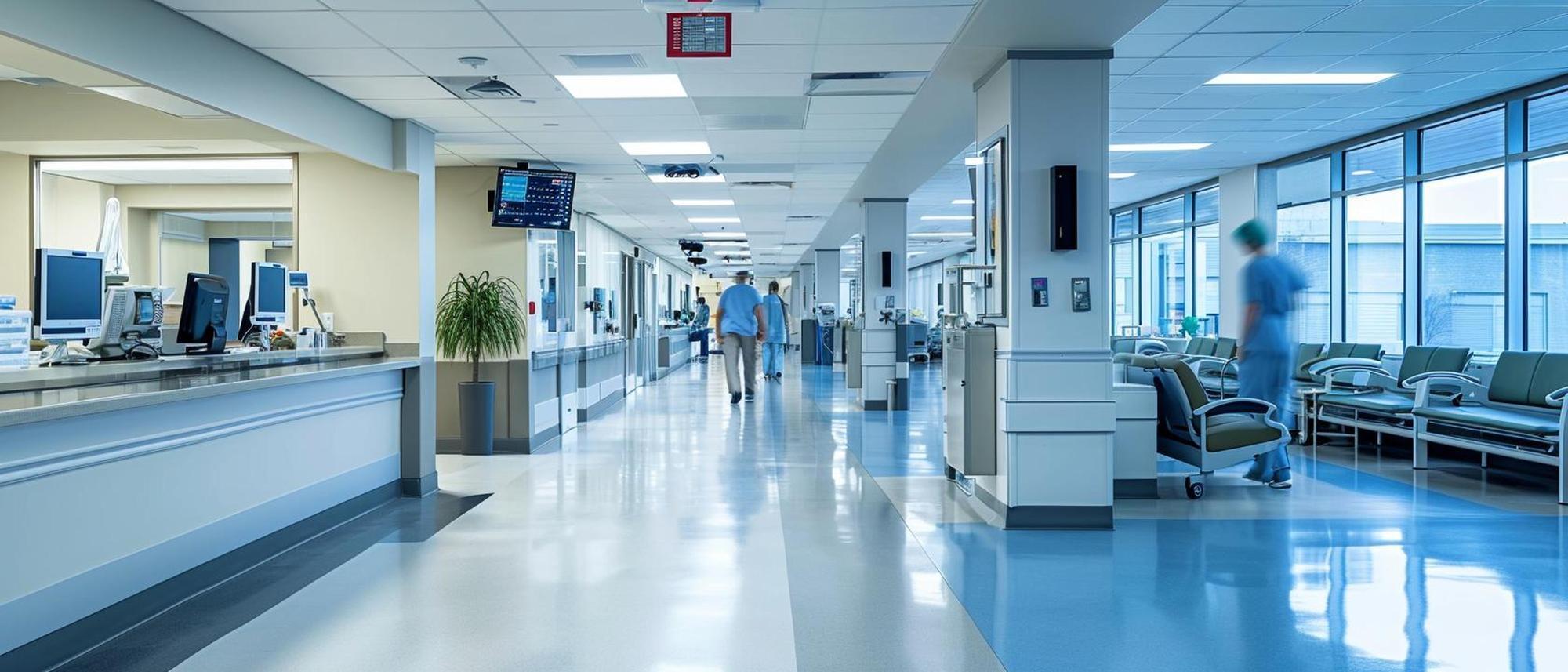
Healthcare
Hospitals, clinics & campuses
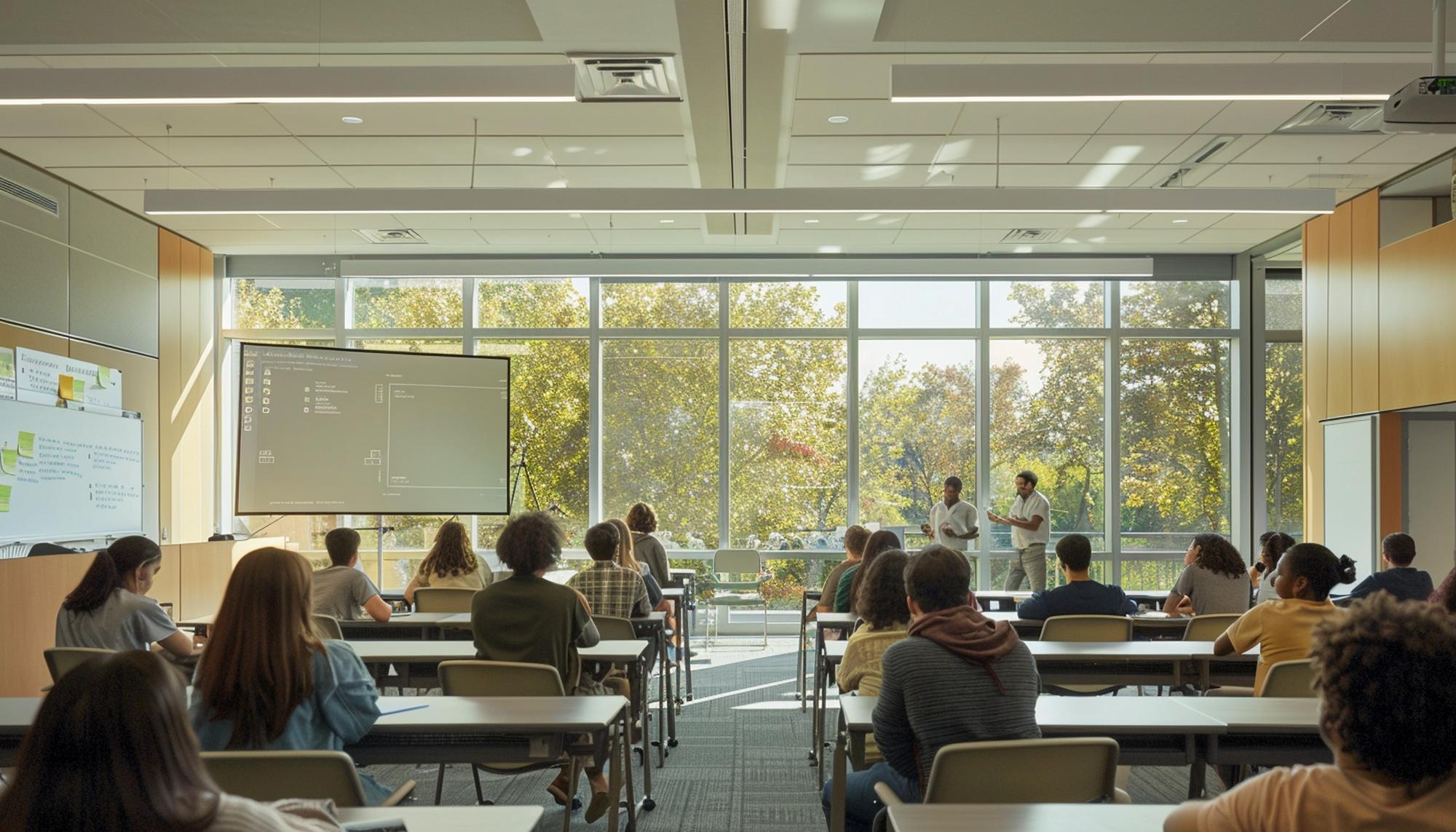
Education
K-12, universities & districts
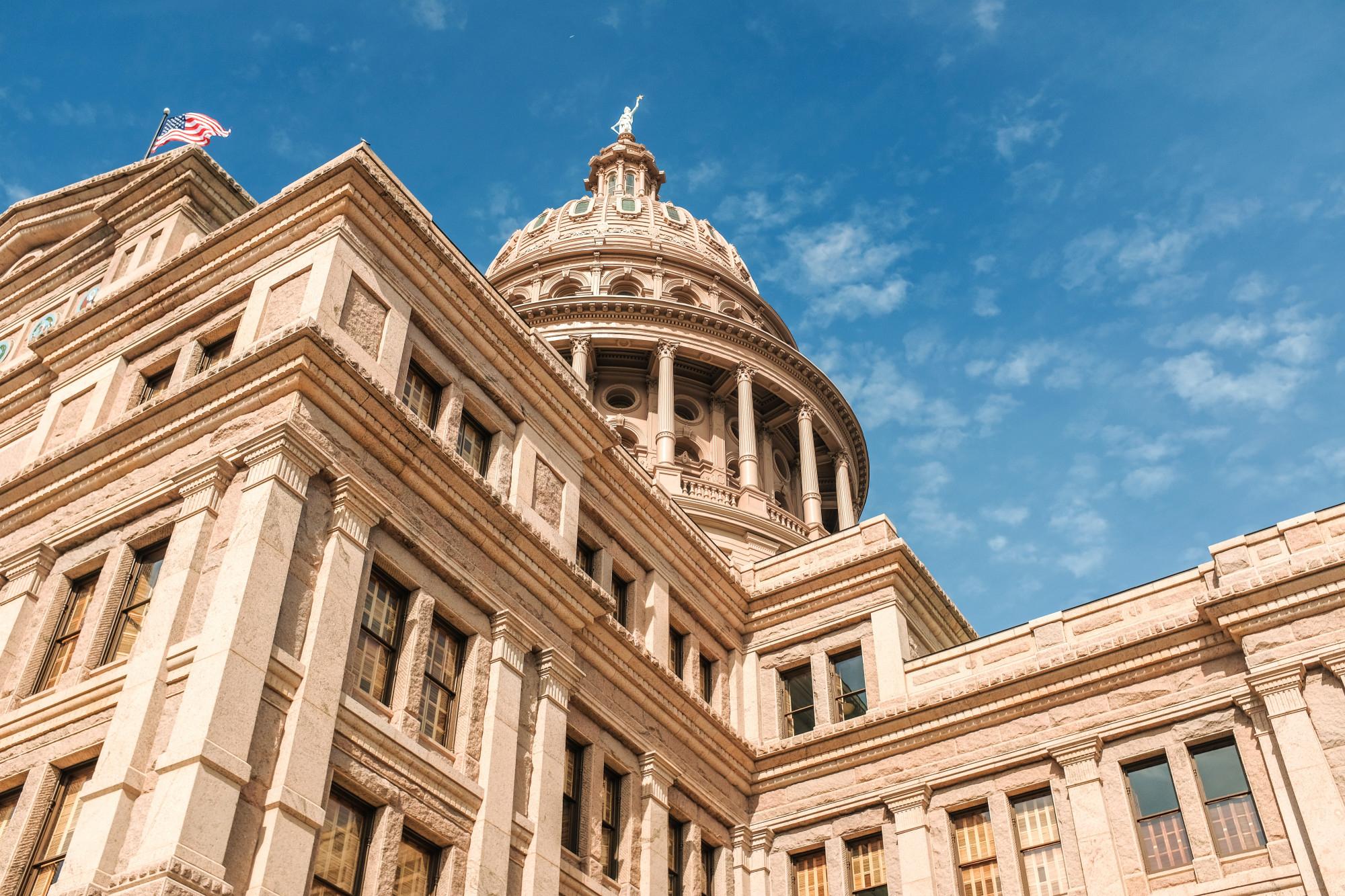
Local & State Government
Municipalities & public safety

Industrial & Warehouses
Logistics & manufacturing
Every building has unique signal challenges. We design the right DAS solution for yours.
Talk to a Signal Architect
Case Study
Olmsted Elementary School
Building Size
114,081 sq ft
Building Type
Elementary School
Industry
Education
Carriers
AT&T, Verizon, T-Mobile, US Cellular, Sprint
DAS Vendor
ADRF
Location
Urbandale, Iowa
DAS Type
Active DAS
RSRF designed an all-carrier active fiber distributed antenna system for Olmsted Elementary School, a new two-story building in the Urbandale Community School District in Urbandale, Iowa. The system was engineered to deliver in-building cellular coverage for AT&T, Verizon, T-Mobile/Sprint, and US Cellular across the full footprint of the school.
BUILDING & CLIENT
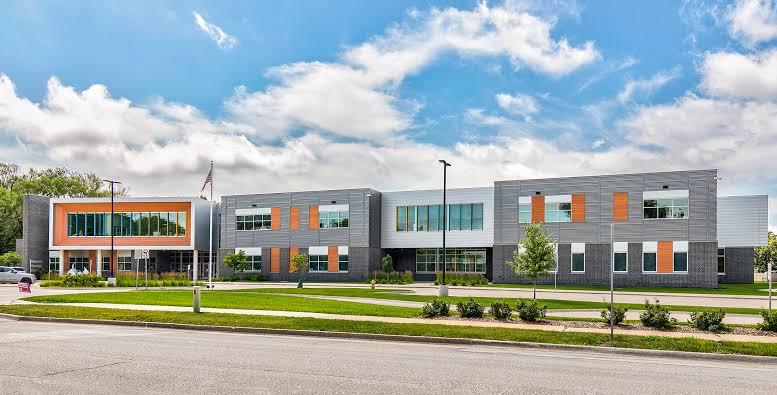
Olmsted Elementary School is a new two-story building in the Urbandale Community School District.
Olmsted Elementary School is a new building at 7110 Prairie Avenue in Urbandale, Iowa, serving the Urbandale Community School District. The building totals roughly 114,081 square feet across two floors and was completed in June 2021. It was constructed primarily of metal stud drywall, with one section built in concrete to serve as a tornado shelter. The district wanted dependable cellular coverage throughout the building for everyday use by staff and visitors.
PROBLEM
A brand-new school had strong outdoor signal but no usable coverage inside, with AT&T the weakest of all.
The site had roughly four bars of outdoor signal, but that coverage did not carry into the new building, and AT&T was the weakest carrier inside. The district needed reliable cellular service across the entire school. Coverage on US Cellular was a particular priority, since the district's own phones ran on US Cellular. The goal was usable cellphone service anywhere inside the building, for every major carrier.
COMPLICATION
All four major carriers had to work inside a new building on a tight timeline, and US Cellular could not be treated like the rest.
Several factors made this more than a routine coverage project:
A new building on a June completion target. The school was still being finished as the project came together, with low-voltage cabling being run during construction. Coverage had to be designed and installed in step with the building itself rather than after the fact.
Four carriers, including US Cellular on its own spectrum. Coordinating AT&T, Verizon, and T-Mobile/Sprint was already a multi-carrier effort. US Cellular added a further wrinkle, because it owns its own spectrum in the region and had to be handled separately rather than folded in with the other carriers.
A concrete tornado shelter inside a drywall building. Most of the structure was metal stud drywall, but the tornado shelter section was built in concrete, a far harder material for cellular signal to penetrate. The design had to account for that difference rather than treating the whole building uniformly.
SOLUTION
An active fiber DAS from ADRF, engineered for all four carriers across both floors.
After surveying the site, RSRF recommended and engineered an active fiber distributed antenna system built on ADRF equipment. Active fiber suited a building of this size: it places the headend electronics in the main data frame room and distributes signal over single-mode fiber to remote units throughout both floors, where the signal is converted back to high-power RF and radiated through in-building antennas. This allowed RSRF to cover the full two-floor footprint from a centralized headend.
Signal for each carrier was sourced through off-air channelized bi-directional amplifiers, with AT&T, Verizon, T-Mobile/Sprint, and US Cellular each handled to its own requirements. The system was designed to a target of -92 dBm RSRP across at least 90 percent of the coverage area for every carrier. RSRF's scope covered the engineering design package, headend and remote equipment, cabling, antenna installation, and commissioning, giving the district a single accountable partner for the deployment.
OUTCOME
One all-carrier system, engineered to a defined coverage target across the entire school.
RSRF engineered an all-carrier active fiber DAS to cover the full two-floor building, including dedicated handling for US Cellular, the carrier behind the district's own phones. The design brought every major carrier into a single system built to a defined coverage target across the school, addressing a building that had strong outdoor signal but no usable service inside.
From our portfolio
Every building is different. See how we've solved similar challenges across different buildings and industries.


2.3M sq ft across two towers
AT&T, Verizon & T-Mobile
On time, zero change orders


Active DAS, 147,000 sq ft
5G-ready corporate HQ
AT&T, Verizon, T-Mobile


Active DAS on ADRF platform
143,582 sq ft office tower
5G-ready, Midtown Manhattan