Industries We Serve
View all industries
Commercial Real Estate
Office parks, retail, mixed-use

Data Centers
Mission-critical connectivity
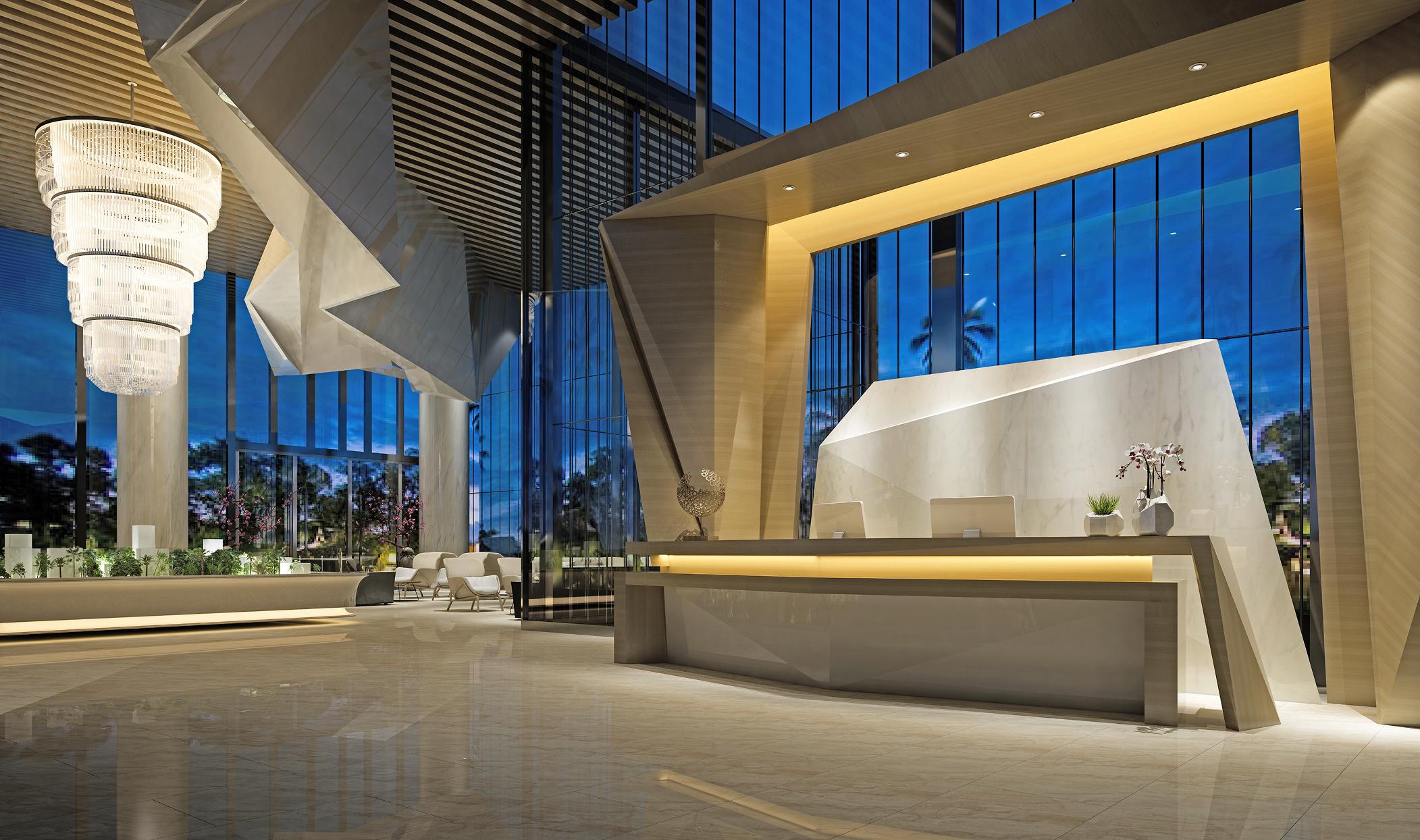
Hospitality
Hotels, resorts & venues
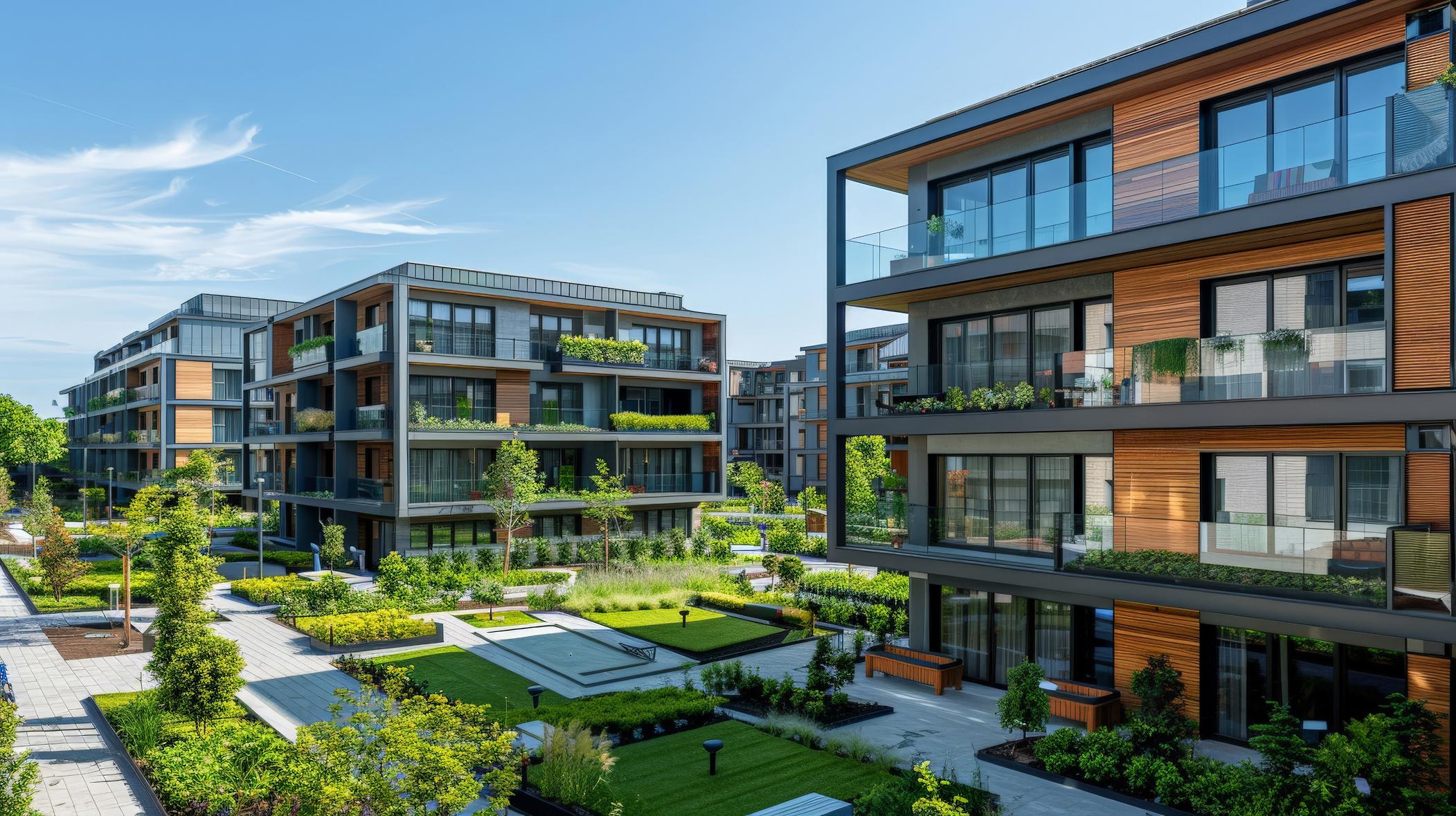
Residential
MDUs, HOAs & smart homes
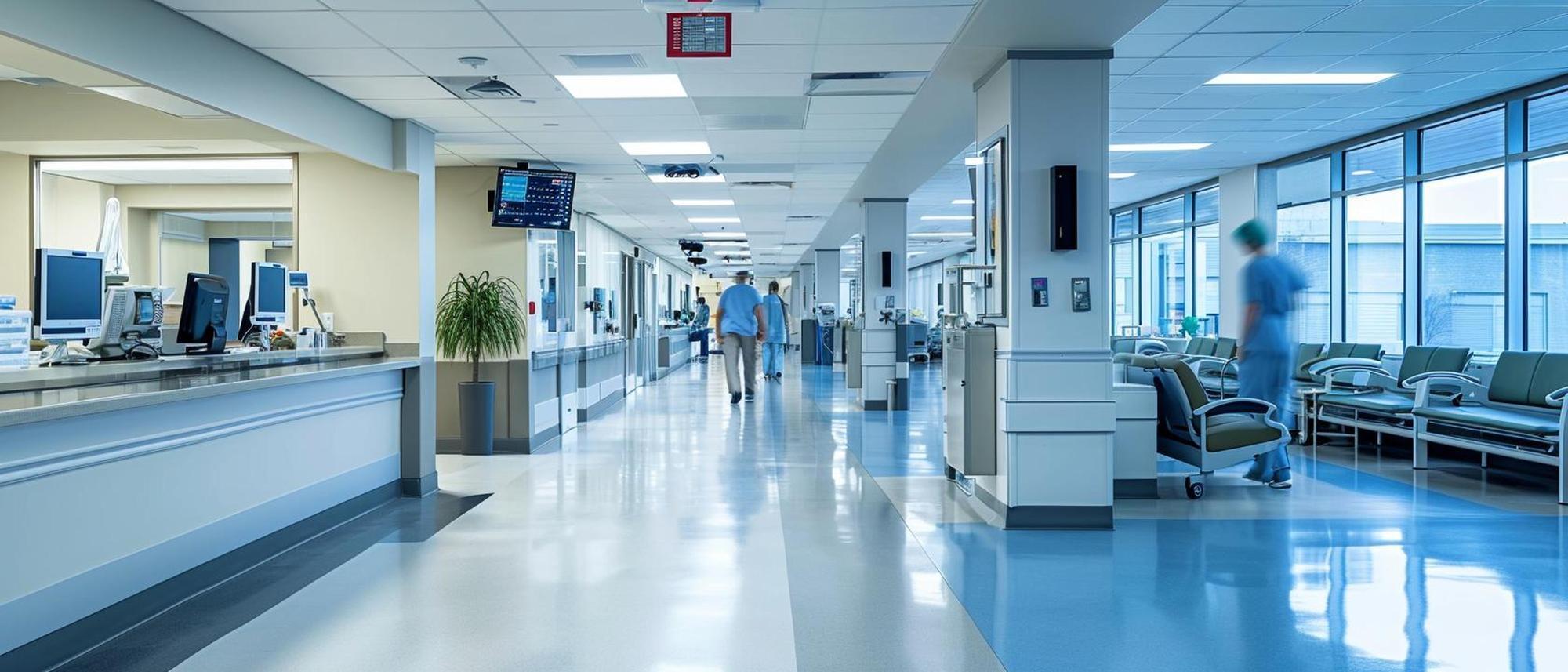
Healthcare
Hospitals, clinics & campuses
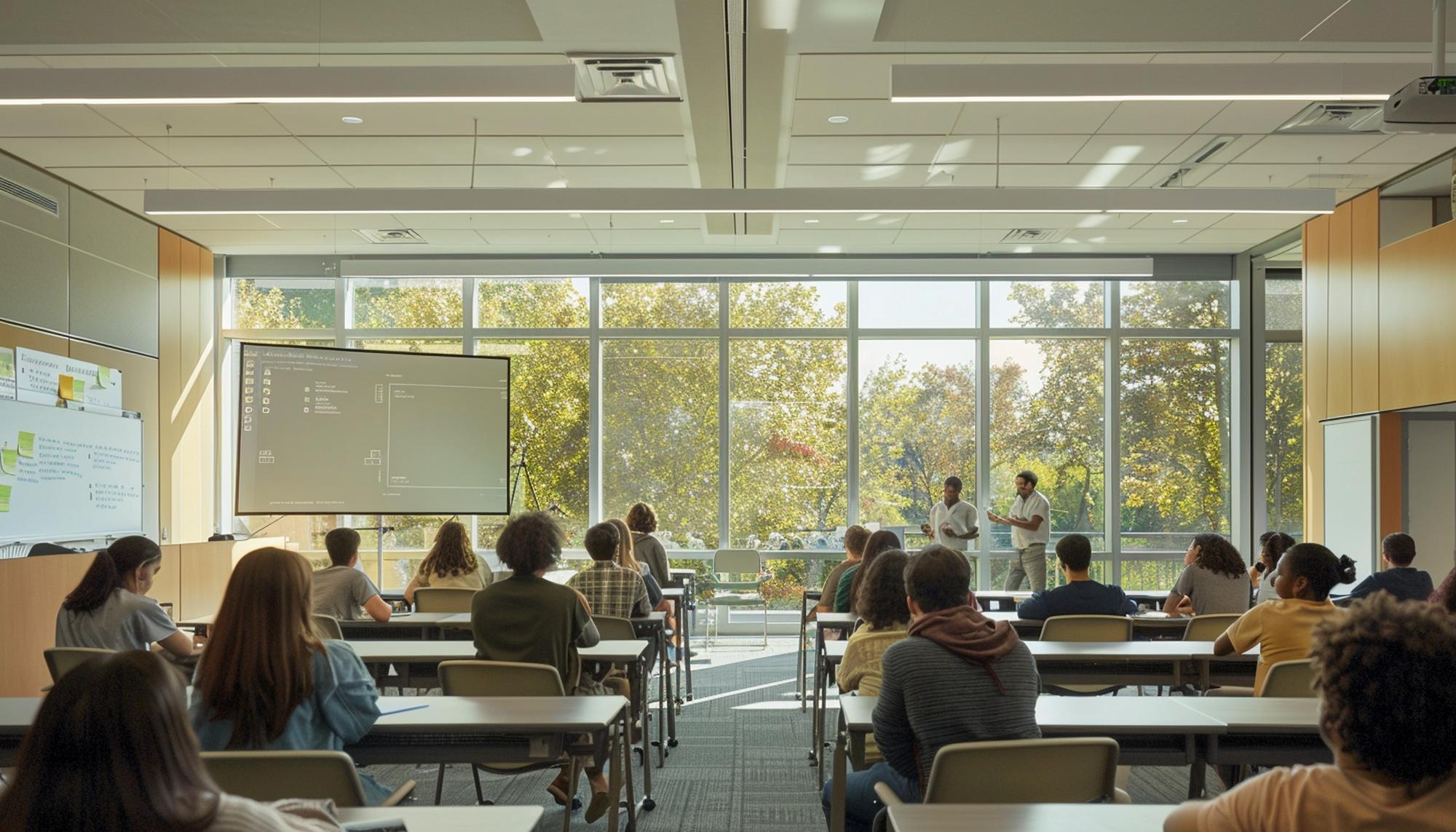
Education
K-12, universities & districts

Local & State Government
Municipalities & public safety

Industrial & Warehouses
Logistics & manufacturing
Every building has unique signal challenges. We design the right DAS solution for yours.
Talk to a Signal ArchitectOur Process
700+ deployments taught us where DAS and private network projects go wrong.
Every step below closes one of those gaps.
Most people delay the first call, thinking they need floor plans, a technical brief, or an RFP. You don't need any of them, just a signal problem and 30 minutes.
Helpful to have on the call
Square footage and floors affected
Use case or driving need for system
Any hard deadlines: move-ins, events, compliance
A rough budget range, if you have one
That's it. We take it from there.
Step 01
1–2 weeksOne of our Signal Architects will spend 30–60 minutes with you going through your building, your use case, and your constraints. We want to understand not just where the signal is bad, but why it matters: tenant retention, emergency services compliance, employee productivity, a specific event deadline.
What happens in this step
Requirements discovery call with a Signal Architect
Review of available floor plans and building specs
Technology landscape explanation: we walk you through the options
Budgetary estimate delivered, typically within a week of the call


Step 02
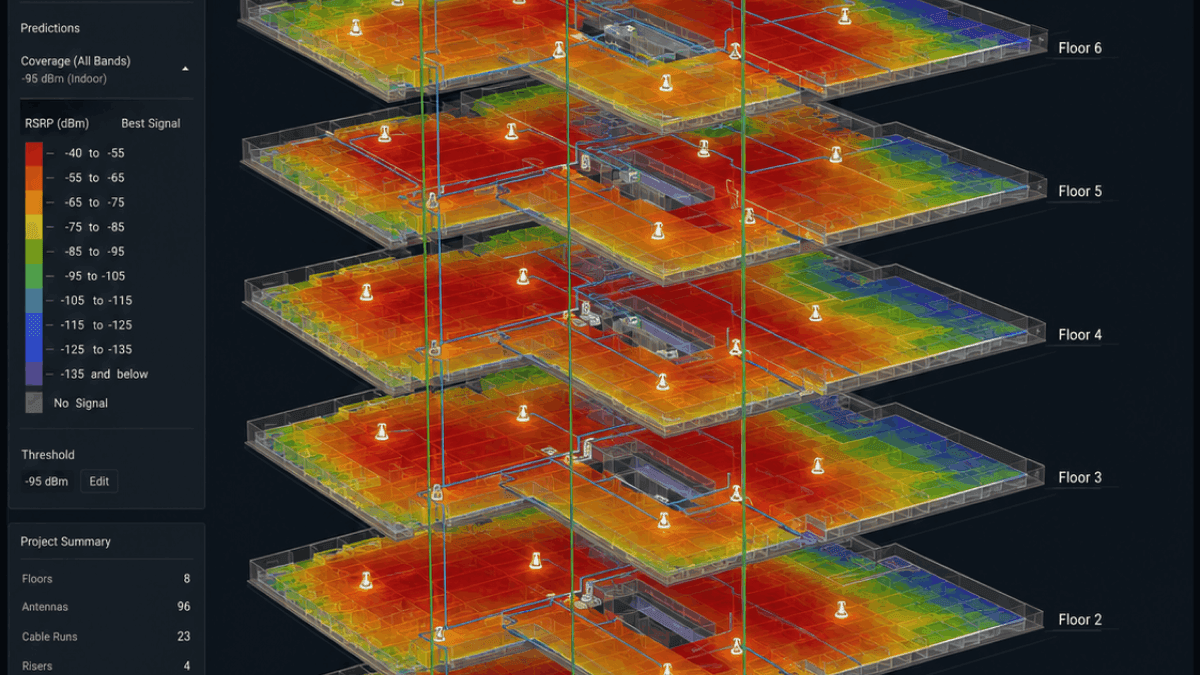
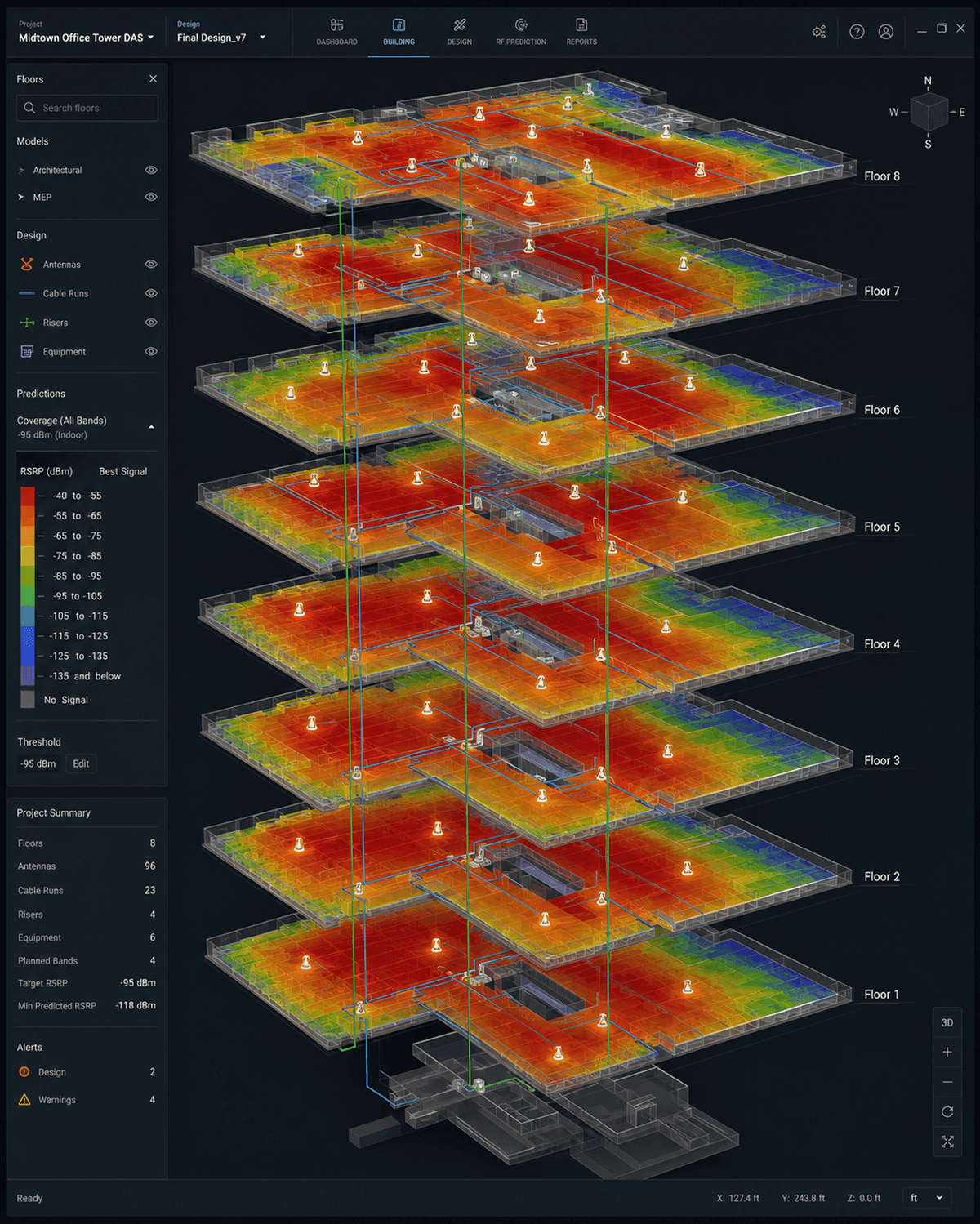
2–4 weeksOur engineering team visits on-site and conducts a full RF signal benchmark across every floor, stairwell, parking structure, and rooftop. All data goes into iBwave, the industry-standard DAS and private network design software, where we build a full 3D model of your building and run signal propagation calculations.
What happens in this step
RF signal benchmark survey across all affected floors and rooftop
Construction feasibility survey: cable routes, MDFs, risers, pathways
iBwave 3D building model and propagation simulation
Carrier-by-carrier signal analysis and problem area identification
Why this matters
At Royal Canin's manufacturing facility, the site survey found RF dead zones from steel racking that didn't appear on any floor plan.
Read Case Study

Step 03
1–3 weeks after surveyWe deliver a proposal that specifies exactly what we're installing, why we're recommending it, and what it costs. Every assumption is written down, every exclusion is called out, and carrier coordination begins at this stage to confirm signal source requirements.
What happens in this step
Final system design with confirmed equipment, cable routes, and antenna placements
Turn-key pricing with full scope, assumptions, and exclusions
Recommendation of 1–2 best-fit solutions with clear tradeoff explanation
Carrier coordination (if necessary): AT&T, Verizon, T-Mobile approval process begins


Step 04
3–6 months from proposal approvalWhen the proposal is signed, our in-house team takes over: our own project managers, construction managers, and field technicians. Deployment happens in phases, with RF engineers validating coverage at each stage before we move on.
What happens in this step
In-house installation: RSRF's own PMs, CMs, and field technicians
Phased deployment with RF validation at each stage
Carrier coordination for DAS signal sources: AT&T, Verizon, T-Mobile
System commissioning and full coverage benchmark
As-built iBwave design package delivered at completion
Why this matters
At The Journal, we coordinated across 52 floors and had every carrier live on day one of occupancy.
Read Case Study

Ongoing
After go-liveWe monitor your system 24/7 and usually see a problem before your tenants do. Carrier changes, expansions, and troubleshooting go to the same engineers who designed it.
What happens in this step
Remote system monitoring and performance alerting
Carrier change coordination: new carriers, frequency changes, power updates
Preventive maintenance scheduling
System expansion design and installation
Direct access to the engineering team that built your system


No. Most of our clients don't. That's what the discovery call is for. You need to know where the problem is and why it matters. We'll figure out the solution together.
A typical project runs 4–6 months from the initial discovery call to a commissioned system. The site survey and design phase takes 3–6 weeks. Carrier approval can take 4–8 weeks depending on the carrier. Deployment itself typically runs 6–12 weeks.
Very little, since our team handles the heavy lifting. It helps to have building management or facilities staff available for access to mechanical rooms and rooftop areas. If you have existing floor plans or AutoCAD drawings, those are useful but not required. We'll tell you exactly what to have ready after the discovery call.
Yes. The majority of our deployments happen in occupied buildings. Our teams are trained to work within operational constraints, phasing work to minimise disruption, coordinating access with building management, and scheduling around tenant hours when needed.
We can audit it. Our Signal Architects will assess what's installed, identify the root cause, whether it's a design issue, hardware failure, or carrier configuration problem, and recommend the most cost-effective fix. Sometimes that's a tune-up; sometimes a full replacement is warranted. We'll tell you honestly which it is.
Active DAS uses fiber-connected remote units to distribute signal with high power and scalability, ideal for large or complex buildings. Hybrid DAS combines an active headend with passive coax distribution, reducing cost for mid-size facilities. Small cells are self-contained units suited for targeted coverage gaps. We recommend the right fit based on your building, carrier requirements, and budget.
Every DAS system requires the carriers (AT&T, Verizon, T-Mobile) to provide a licensed signal source, usually via a dedicated fiber connection. Carrier coordination means submitting technical documentation, getting approval from each carrier's network engineering team, and scheduling their field work. Each carrier has its own review process, which is why we start this early in the project.
Schedule a free 30-minute call with an RSRF Signal Architect.
Ask any questions about DAS implementation
Review your scope of work
Get a free estimate