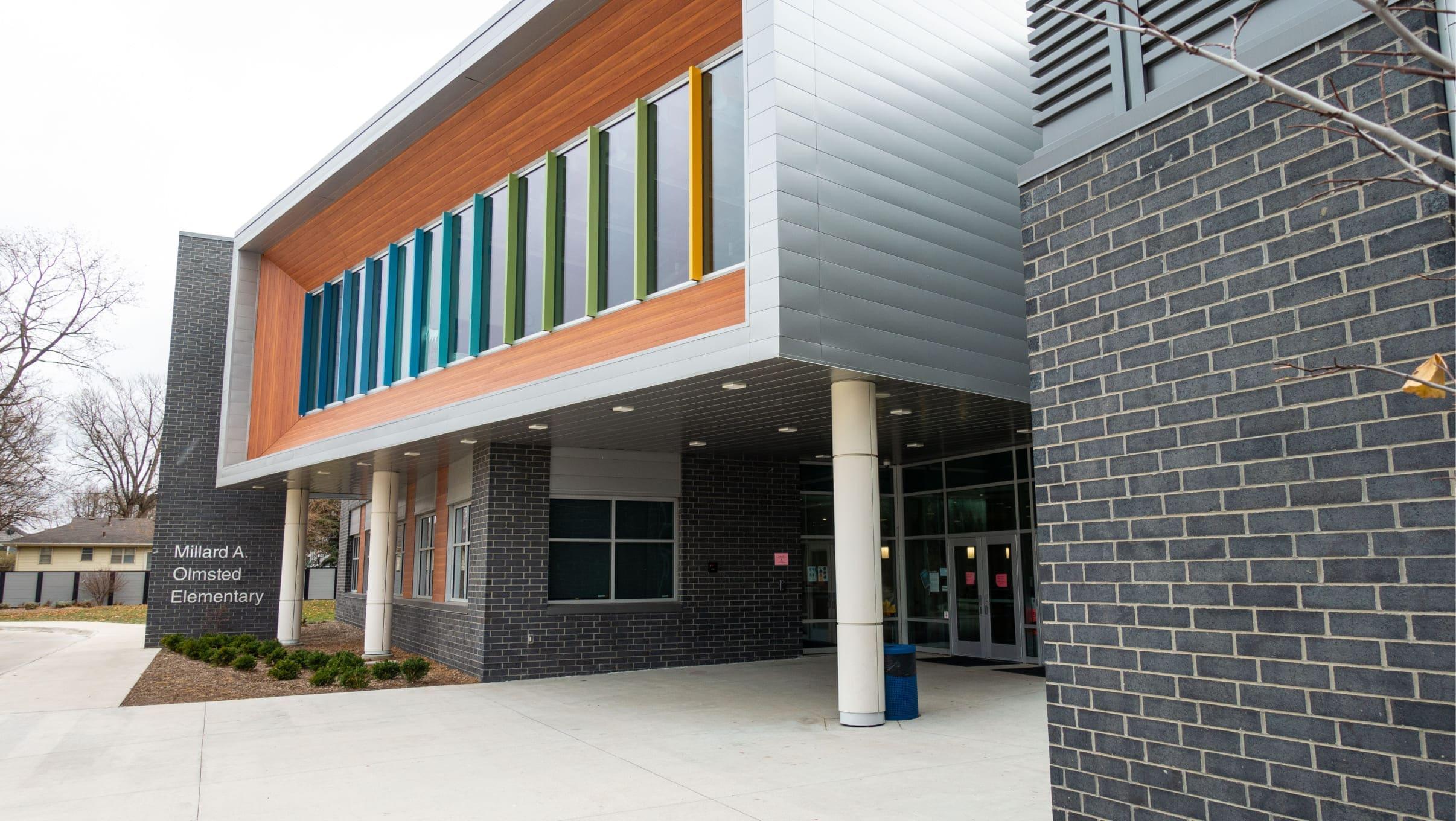
School buildings are built for learning, not cellular demands.
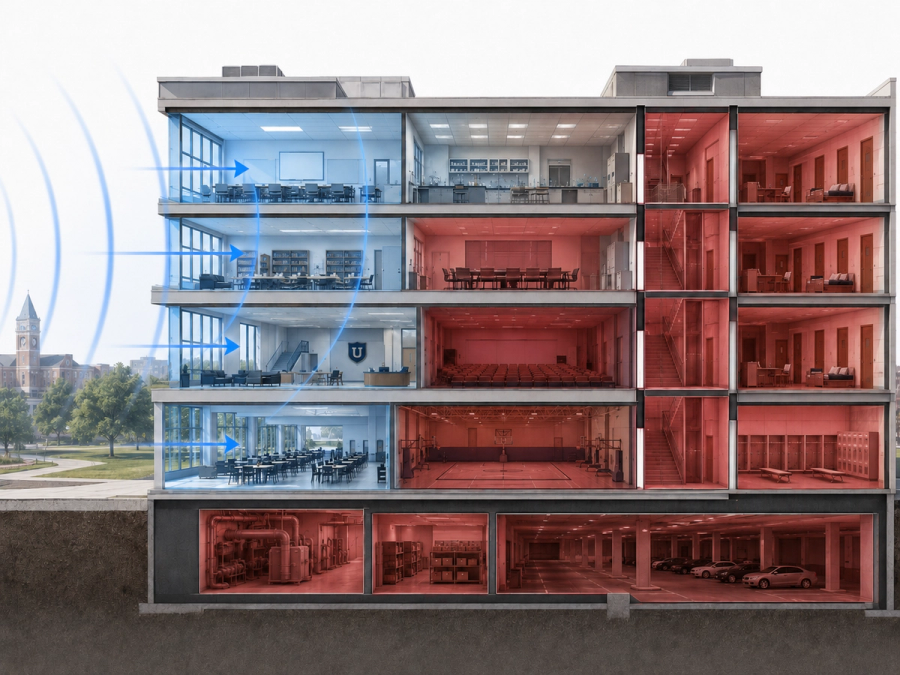
A campus is not one building type. A masonry block from the 1950s, a gymnasium with no outdoor line of sight, a shielded science wing and a dormitory with concrete party walls all sit on the same site, and each one loses signal for a different reason.
The stakes here are not convenience. Emergency notification reaches students on their personal phones, first responder radio coverage is written into state and local fire codes, and a failure at inspection can bring occupancy restrictions with it. In stairwells, restrooms and below-grade spaces, coverage is measured in response time.
RSRF has deployed DAS in K-12 districts, university academic buildings, campus athletic facilities and student housing towers, installed in the windows an academic calendar allows. We've done it before.
What we get called in to fix
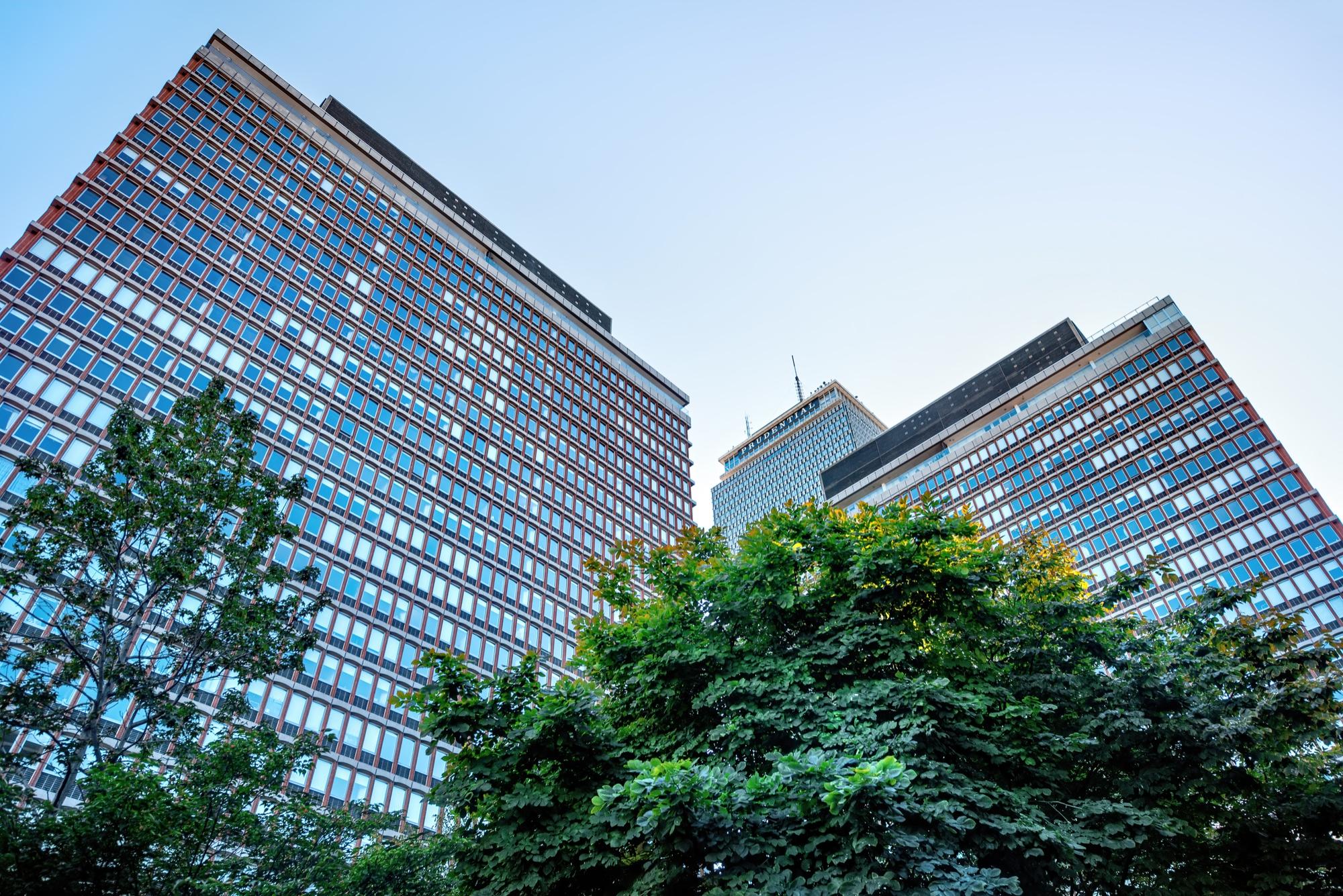
Masonry and thick concrete walls
Older school and university buildings absorb cellular frequencies before signal can reach interior classrooms and offices.
Gymnasium and auditorium dead zones
Large assembly spaces with high-occupancy events overwhelm macro network coverage and create dense congestion zones.
First responder radio compliance
State and local fire codes increasingly require verified emergency radio coverage throughout the building, including stairwells and restrooms.
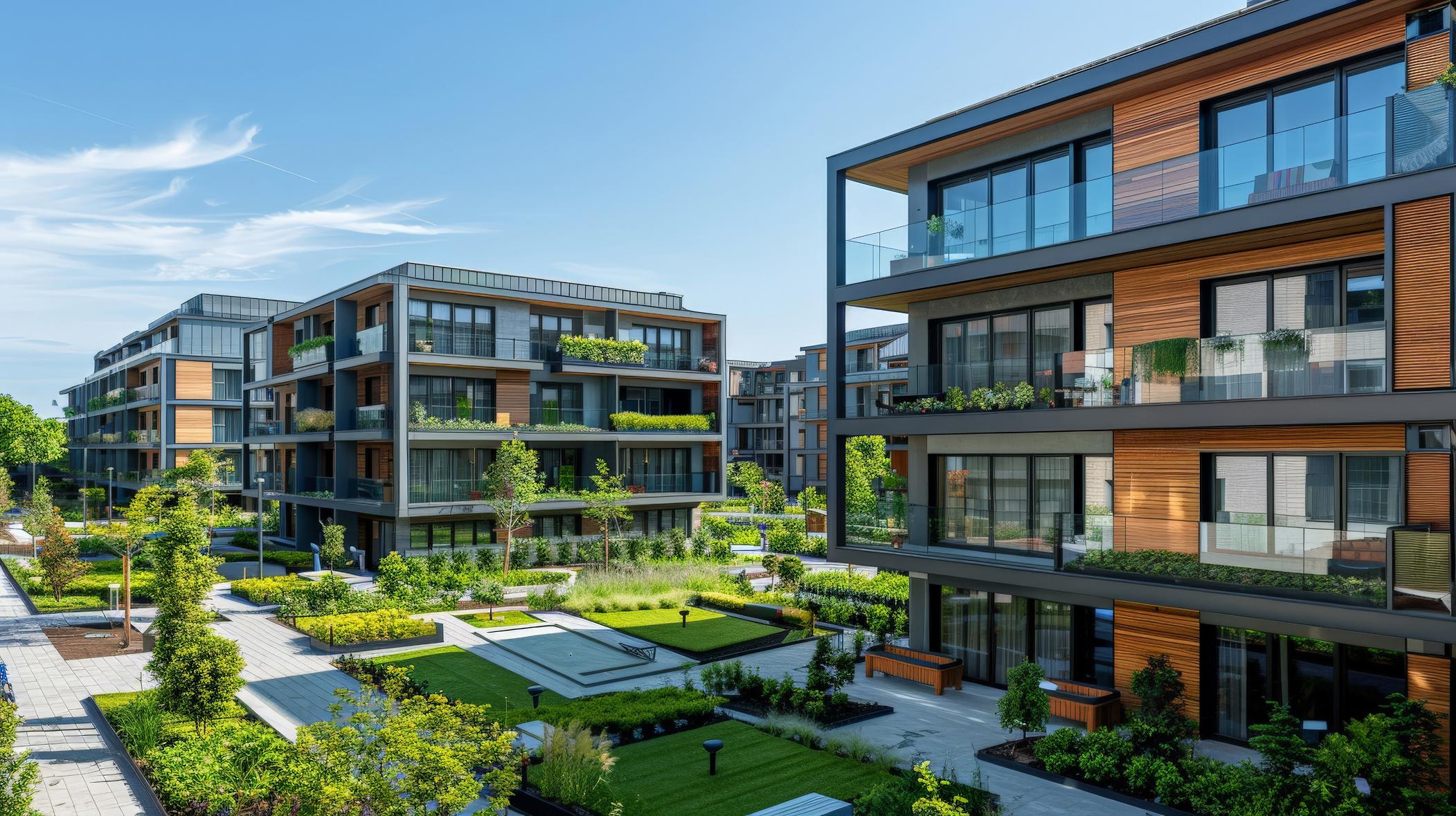
Dormitory corridor coverage
Concrete party walls between units and long interior hallways leave student housing without usable signal floor by floor.
Below-grade spaces
Locker rooms, mechanical rooms, library lower levels, and underground parking have no path to the outdoor macro network.
Multi-building campus coverage
Large campuses require coordinated design across multiple structures with a unified system architecture and consistent carrier support.
Do your systems meet first responder radio coverage requirements under NFPA 72 and local fire codes?
Yes. We design and commission systems that meet NFPA 72 public safety radio coverage requirements and comply with local Authority Having Jurisdiction standards. Every installation is tested and documented to ensure first responder radios operate at required signal levels throughout the building, including stairwells, basements, and other areas that typically fail coverage audits.
Can installation be scheduled around the academic calendar to avoid disrupting classes?
Yes, and we plan for it from the start. Work is sequenced around your academic calendar, scheduled during breaks, evenings, and weekends where needed, and coordinated with facilities staff throughout. Installation happens above ceiling tiles, in risers, and in non-instructional spaces wherever possible so that classrooms and common areas stay operational.
How do you design coverage for large assembly spaces like gymnasiums and auditoriums?
Large open spans with high ceilings and variable occupancy require a different design approach than standard classrooms. We model peak capacity, not average use, so the system handles a full gymnasium during a game or an auditorium at commencement the same way it handles an empty one on a Tuesday afternoon. Antenna placement and signal levels are specified for the actual RF environment, including reflective surfaces and concrete construction common in school facilities.
Who coordinates with AT&T, Verizon, and T-Mobile for signal source approval on campus?
We do, entirely. That includes submitting applications, navigating each carrier's approval process, and ensuring the installed system meets their technical specifications before sign-off. You do not need a direct relationship with any carrier to get this done.
Can a single DAS system cover multiple buildings across a campus?
Yes. Multi-building campuses are a common deployment for us. Depending on the layout and distance between structures, we can design a single distributed system that covers multiple buildings from a centralized head-end, or deploy building-level systems that are coordinated as part of a unified campus coverage plan. We assess the best architecture during the site survey and design phase.
What is the typical project timeline for a K-12 or university DAS deployment?
Most campus projects run 5 to 12 weeks from site survey to a live system. That breaks down as 1 to 3 weeks for system design and the on-site visit, 1 to 3 weeks for the final proposal, and 3 to 6 weeks for deployment once approved. Multi-building or phased campuses may run longer, and we sequence the work to align with your academic calendar wherever possible.
What does a DAS cost for a school or a campus building?
It depends on the square footage, the construction, and whether the design can work off air from a nearby tower or needs a carrier signal source. Masonry and below-grade spaces are what move the number, because they need their own antennas rather than a share of someone else's. We give you a budgetary estimate after the site survey, and it is usually within 10% of final pricing.
Can the system support both commercial cellular coverage and a dedicated campus emergency radio network?
Yes. One DAS can carry commercial carrier signals and a dedicated campus emergency radio or public safety network at the same time, over the same infrastructure. Universities and large K-12 districts that run their own dispatch and first responder communications are the usual case.
What it depends on is knowing the frequencies up front. Tell us which bands your radio system uses during design and you end up with one system to fund, commission, and maintain instead of two.
Ready to fix cellular coverage in your building?
Schedule a free 30-minute call with an RSRF DAS specialist. We'll talk through your building, coverage challenges, carrier requirements, and the most practical options for improving service.
Understand which DAS technology fits your building
Get a realistic budget and timeline
Leave with clear next steps—no commitment required
 [email protected]
 (800) 637-4049