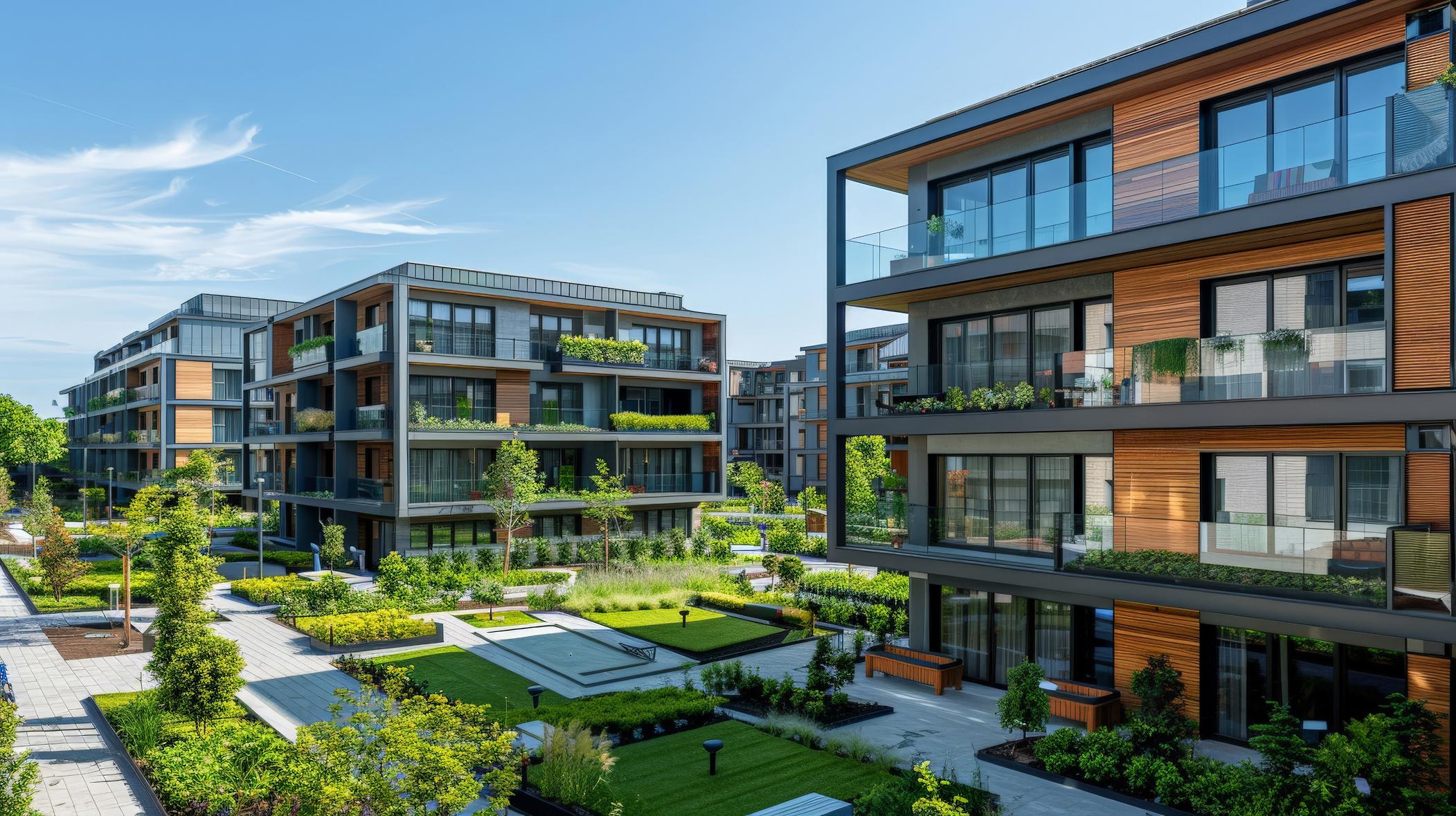
Multifamily buildings look straightforward from the outside. Cellular coverage inside is another problem entirely.
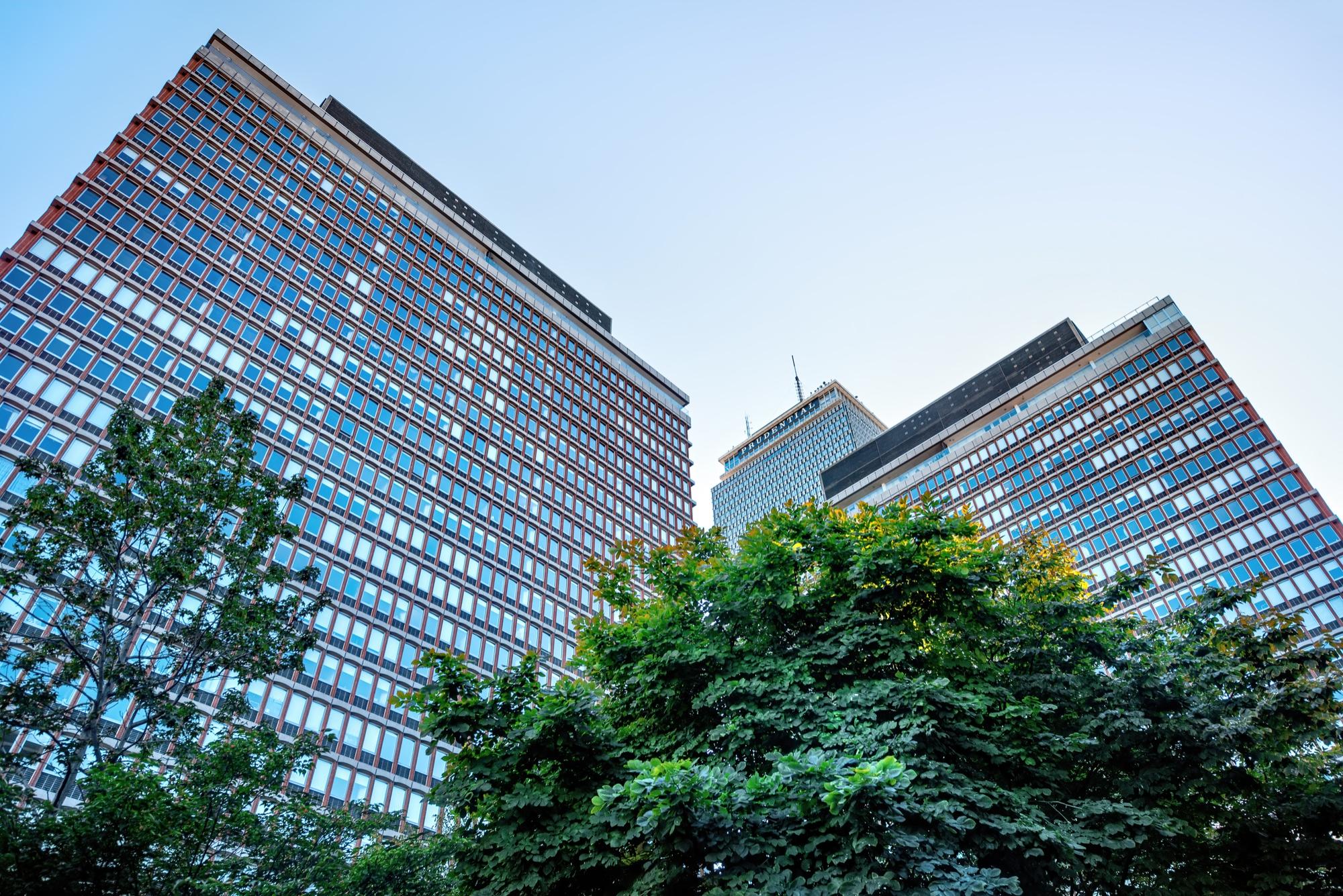
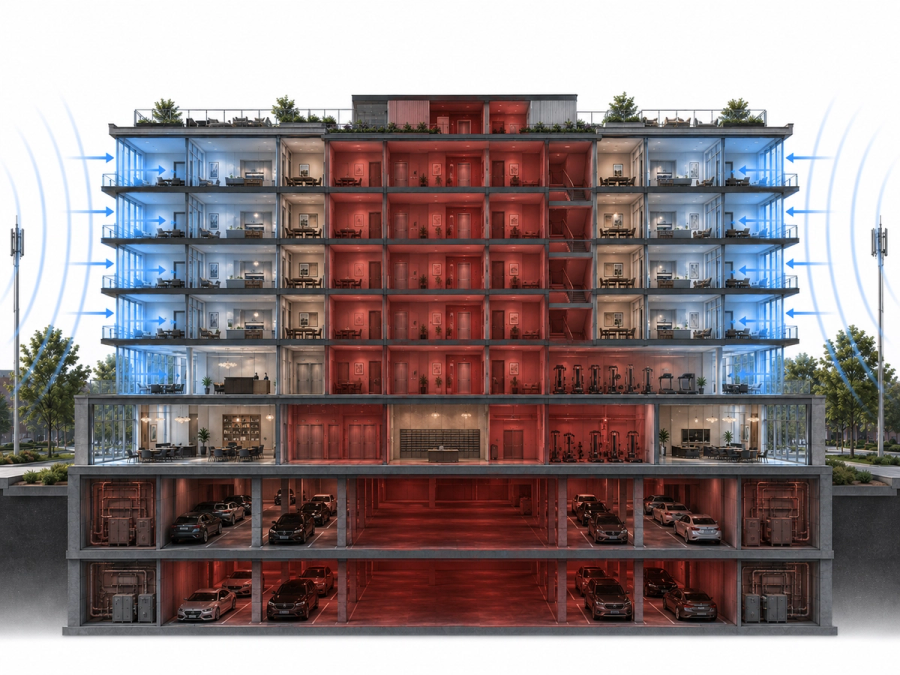
Concrete and steel frame construction is now standard for mid-rise and high-rise residential, and it absorbs radio frequencies before they reach interior units. The window coatings that get a building to energy code reflect what is left.
Prospective residents check the signal during a tour and walk away from units that do not have it. In a competitive market, coverage sits alongside the package room and the coworking lounge as something a resident expects to find, and HOA boards are under owner pressure to fix what owners read as a building problem rather than a carrier problem.
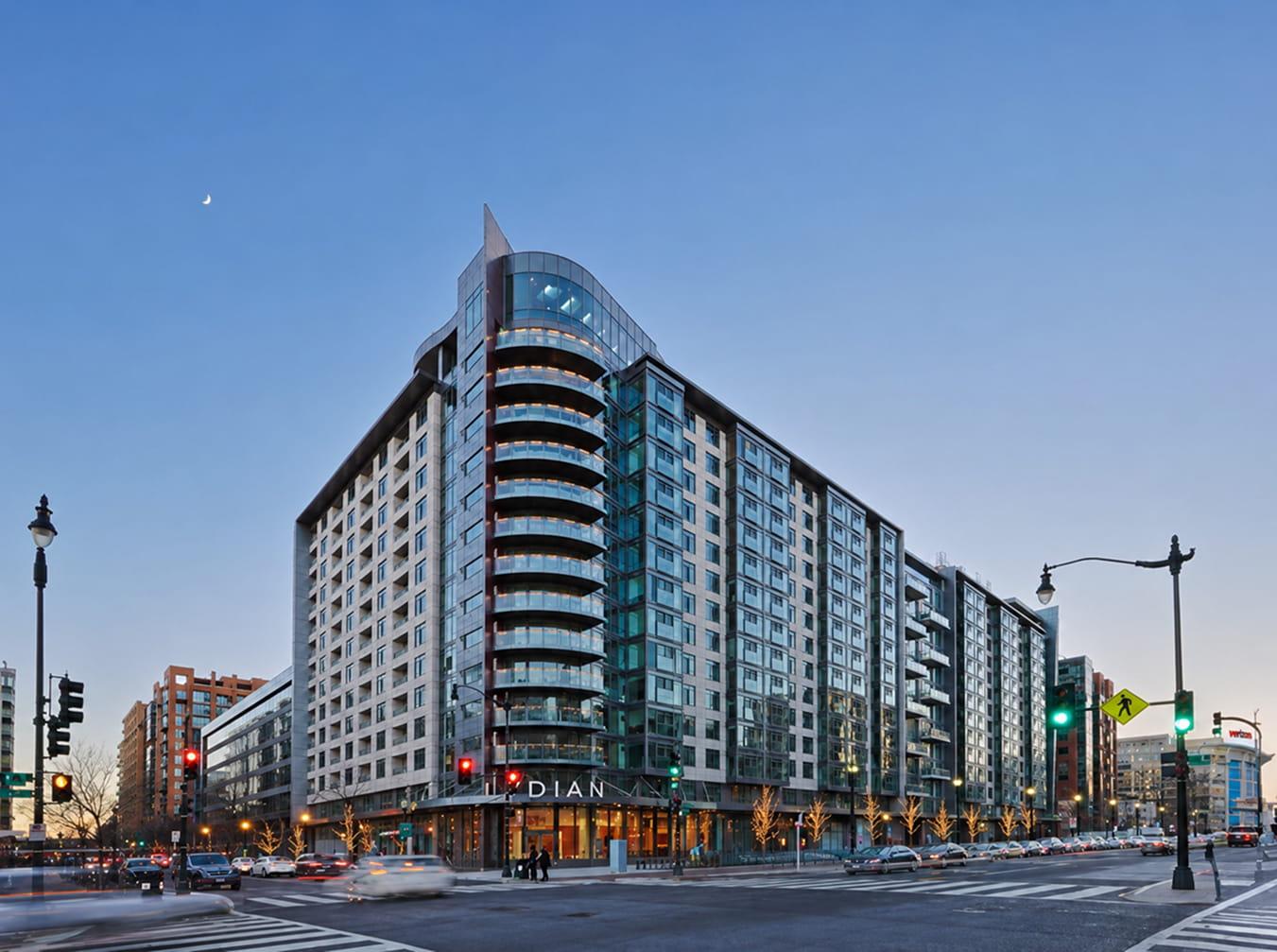
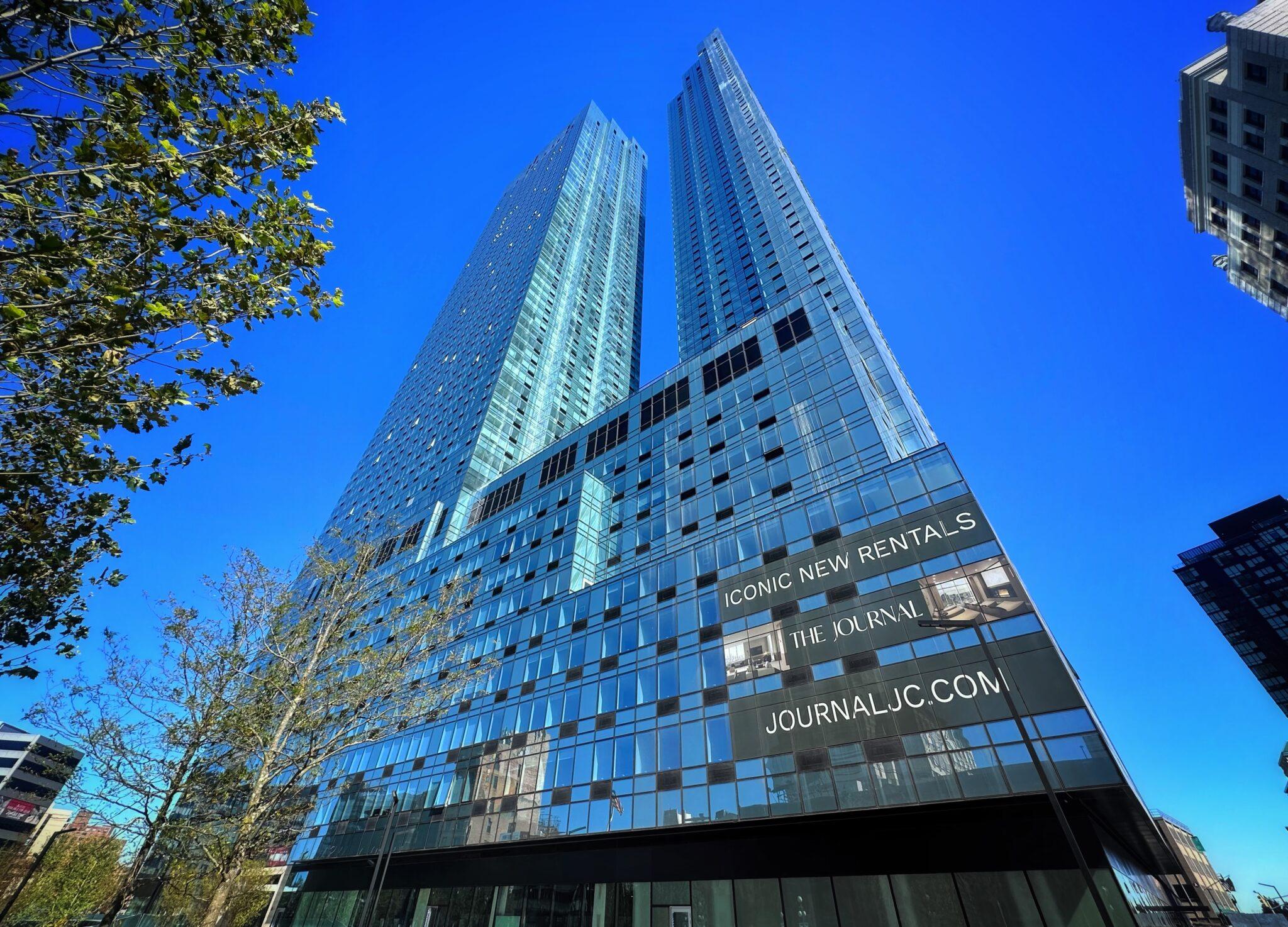
RSRF has deployed DAS in luxury high-rise towers, mid-rise multifamily, mixed-use residential and condominium buildings under renovation, phased floor by floor around people living there. We've done it before.
What we get called in to fix
Low-E glass and energy coatings
Modern window coatings designed to meet energy codes block cellular frequencies the same way they block heat transfer.
Interior unit dead zones
Units without direct exterior window exposure receive no signal from outdoor towers.
Below-grade amenity coverage
Fitness centers, mailrooms, coworking spaces, and parking garages have no path for outdoor signal.
Multi-carrier resident base
Residents on AT&T, Verizon, T-Mobile, and regional carriers all expect the same coverage throughout the building.
Occupied building installation
Work must be coordinated around residents and building operations without disrupting daily life.
Common area coverage gaps
Lobbies, hallways, rooftop decks, and shared amenity spaces need consistent coverage across all floors.
How does a DAS installation work in an occupied apartment or condominium building?
We work around residents, not the other way around. Installation is phased floor by floor, scheduled to avoid peak hours, and coordinated with building management throughout. Work happens above ceiling tiles, in risers, and in common area spaces. Residents typically notice nothing except that their signal improves.
Can you support AT&T, Verizon, T-Mobile, and smaller regional carriers on the same system?
Yes. A single DAS infrastructure can carry all three major carriers simultaneously, and we can accommodate smaller regional carriers where relevant. Every carrier on the system goes through the same coordination and approval process, and every resident benefits regardless of which network they are on.
Who pays for the system -- the building owner, the HOA, or the carriers?
It depends on the building and the signal source type. In some cases carriers contribute to the cost, particularly for active DAS deployments where they are providing dedicated signal equipment. In most residential projects, the building owner or HOA funds the system as a capital improvement. We walk you through all the options during the scoping process so you understand exactly what you are committing to before signing anything.
What is the typical project timeline for a residential DAS deployment?
Most residential projects run 5 to 12 weeks from site survey to a live system. That breaks down as 1 to 3 weeks for system design and the on-site visit, 1 to 3 weeks for the final proposal, and 3 to 6 weeks for deployment once approved. Larger or phased properties may run longer depending on building complexity.
Will the system require ongoing carrier fees or maintenance costs after installation?
Potentially yes, depending on the system type. Active DAS deployments that use carrier-provided signal sources may carry annual licensing fees. We offer ongoing monitoring and maintenance through our SignalGuard program, which includes remote NOC monitoring and proactive support. All recurring costs are clearly outlined before you approve anything.
Can the DAS be integrated with an existing building security or access control system?
The DAS itself is a cellular signal distribution system and runs independently from security or access control infrastructure. That said, improved in-building cellular coverage directly benefits any cellular-dependent security devices, intercoms, or access panels already in the building. If you are also running a private LTE or CBRS network, that can be layered onto the same DAS infrastructure alongside commercial carrier coverage.
Do you provide coverage documentation for HOA boards, prospective buyers, or leasing teams?
Yes. Every project includes a signal audit report with before-and-after coverage maps showing measured signal strength throughout the building. For HOA boards, it is useful for governance and capital planning records. For leasing and sales teams, verified coverage documentation is a tangible amenity you can put in front of prospective residents.
Ready to fix cellular coverage in your building?
Schedule a free 30-minute call with an RSRF DAS specialist. We'll talk through your building, coverage challenges, carrier requirements, and the most practical options for improving service.
Understand which DAS technology fits your building
Get a realistic budget and timeline
Leave with clear next steps—no commitment required
 [email protected]
 (800) 637-4049