Case Study

The Journal: All-Carrier Active Fiber DAS Across 2.3 Million Square Feet

The Journal (1 Journal Square)

Building Size

2.3 million sq ft

Building Type

Mixed-Use High-Rise (Residential, Retail, Restaurant)

Industry

Commercial, Residential

Carriers

AT&T, Verizon, T-Mobile

DAS Vendor

JMA Wireless

Location

Jersey City, New Jersey

DAS Type

Active DAS

About the project

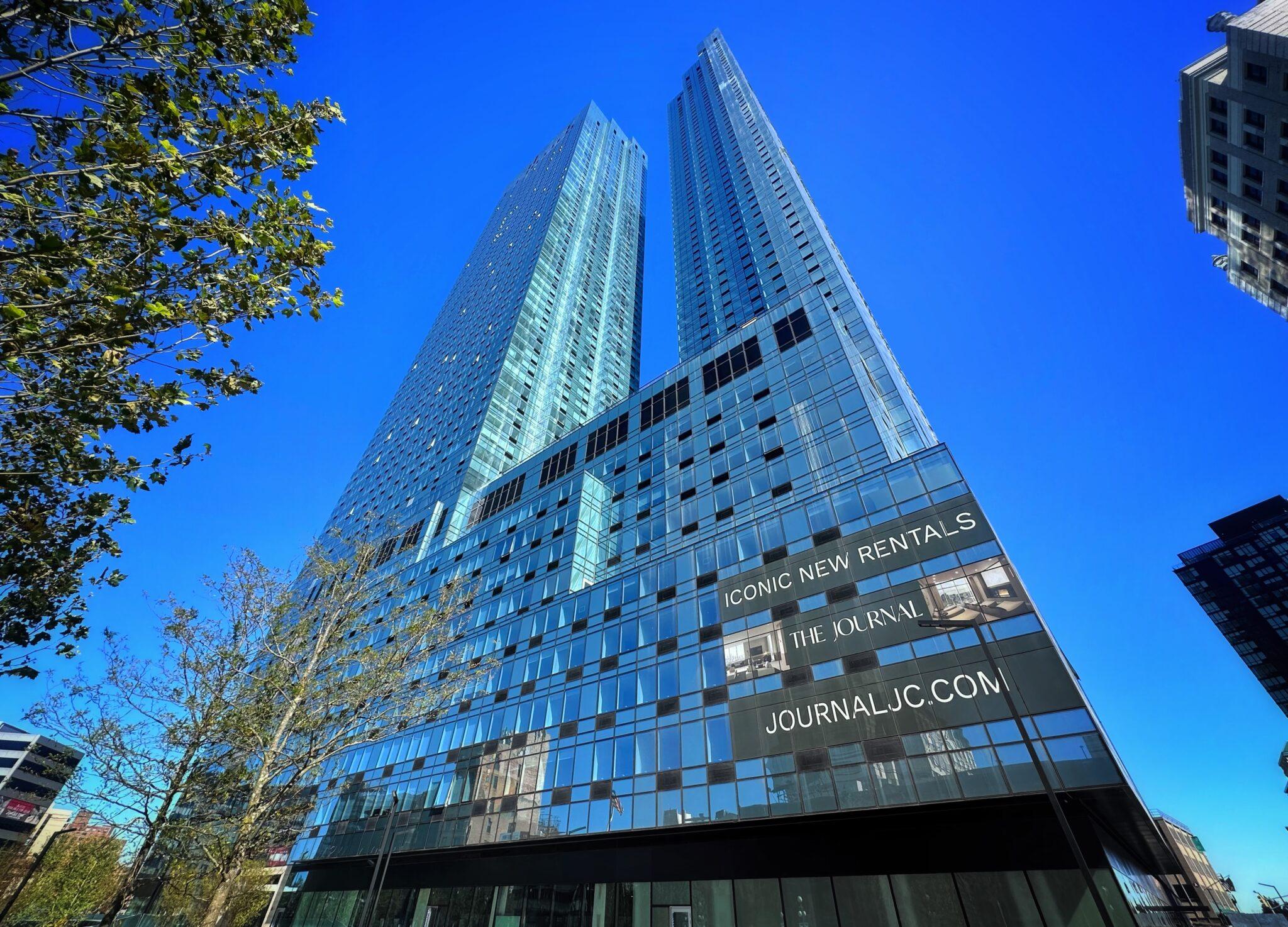
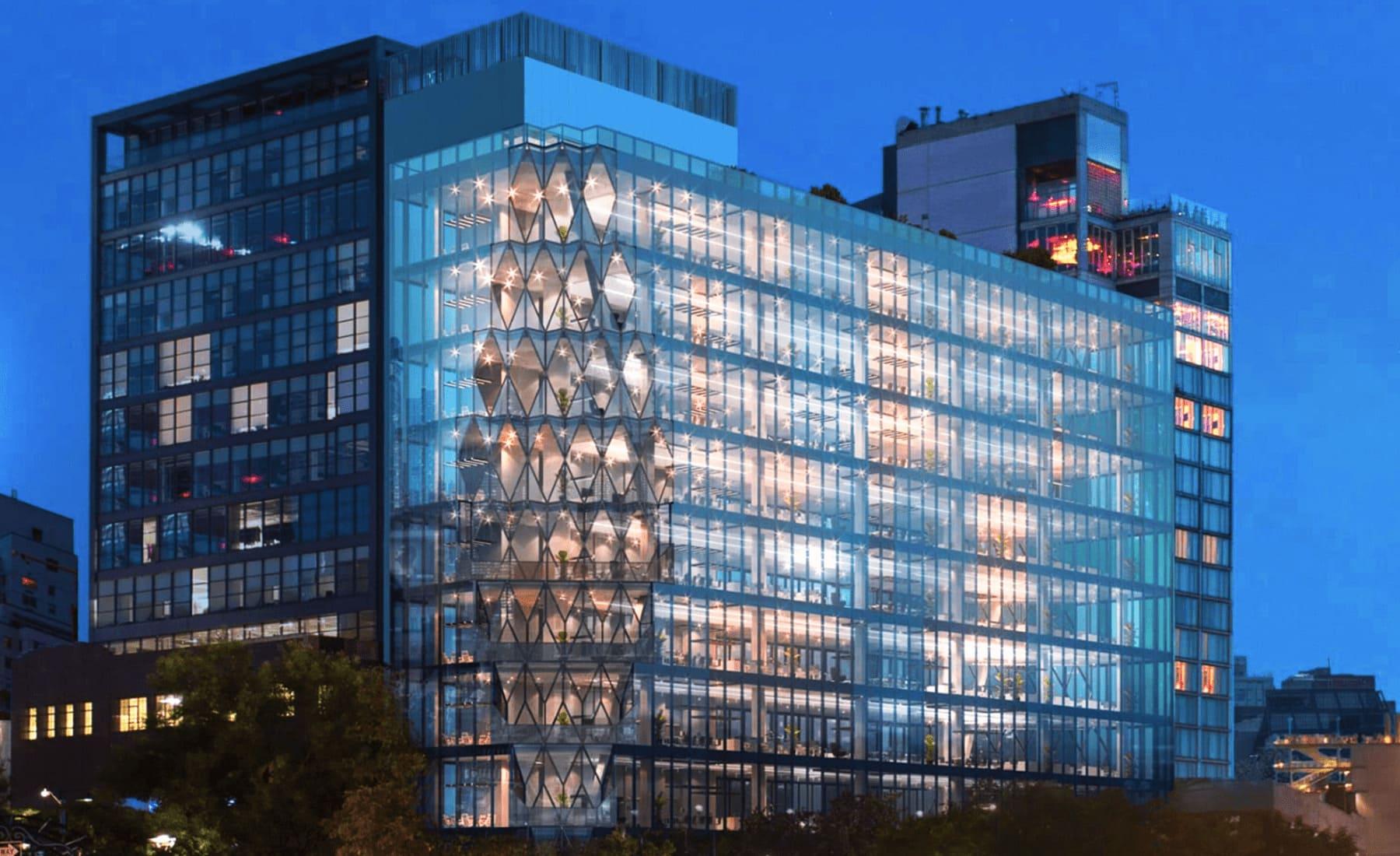
RSRF designed and installed a JMA Wireless active fiber distributed antenna system for The Journal at 1 Journal Square, a 2.3 million square foot mixed-use development in Jersey City, New Jersey. The system delivers full-building multi-carrier coverage for AT&T, Verizon, and T-Mobile across roughly 3,000 residential units and the building's retail spaces.

BUILDING & CLIENT

The Journal is a 2.3 million square foot mixed-use development in Jersey City with two towers, 3,000 units, and 40,000 square feet of retail.

1 Journal Square is a 2.3 million square foot residential mixed-use development in Jersey City, built across two towers with roughly 3,000 rental units and 40,000 square feet of retail. It was one of the most technologically advanced buildings the developer had ever constructed, and reliable cellular service was considered essential for both residents and retail tenants.

The developer had the foresight to plan for a DAS before construction began. As construction progressed, the developer wanted to be sure the building's investment in high-tech features would be fully supported by strong cellular coverage from Verizon, AT&T, and T-Mobile. Without it, residents would face connectivity issues and retail tenants would lack the coverage needed for operations, payments, and day-to-day customer needs.

PROBLEM

A 2.3 million square foot development needed a cost-efficient DAS to guarantee reliable multi-carrier coverage for 3,000 units and its retail spaces during construction.

The client reached out to RSRF after receiving an initial system design and quote. RSRF was asked to validate that design and propose a more efficient solution. After reviewing the plans, RSRF optimized the design and reduced unnecessary, expensive components while maintaining high performance and staying within budget. The goal was dependable coverage for every resident and tenant, engineered without overbuilding the system.

COMPLICATION

This was ground-up construction on an enormous scale, with more than sixty other trades working in the building at the same time.

The Journal brought together several challenges that would test any integrator:

Enterprise scale across two towers. At 2.3 million square feet, this was an enterprise-scale deployment serving roughly 3,000 residential units plus retail, with coverage required from the lowest levels of the building to the top floors.

Building alongside sixty-plus active trades. As a new construction project, all equipment was installed from the ground up while more than sixty other trades were active throughout the building. RSRF carefully coordinated cable routes, antenna placement, and infrastructure installation to avoid conflicts. In several instances, cables and antennas had to be rerun or remounted after being damaged by other trades during construction.

Carrier signal sources tied to occupancy. Securing carrier signal sources before building occupancy was a major challenge. Timely coordination was critical for obtaining the certificate of occupancy and ensuring the building's return on investment, leaving no room for a slow, install-and-wait approach.

SOLUTION

A future-proof JMA Wireless active fiber DAS, with RSRF coordinating 60-plus trades and all three carriers and validating performance before occupancy.

RSRF designed and installed a JMA Wireless active fiber DAS, selected for the reliability of the platform and the long-term support of its components. JMA systems are known for longevity and do not cycle hardware out of service, which aligned with the client's desire for a stable, future-proof solution. The active fiber architecture distributes signal from the headend over fiber to high-power remote units throughout both towers, with carrier signal brought in through off-air sources for AT&T, Verizon, and T-Mobile.

RSRF coordinated directly with all three carriers on behalf of the owner to ensure timely procurement, compliance, and integration of the signal sources. Before closing ceilings, all infrastructure was verified: RSRF performed PIM testing on cables and completed multiple rounds of signal measurements. Final benchmarking results were shared with both the carriers and the client to confirm performance and coverage expectations. Throughout the project, RSRF held weekly coordination meetings with the director of construction and other key stakeholders, providing continuous updates and transparent communication.

OUTCOME

The building opened on time with strong, consistent multi-carrier coverage throughout, delivered on budget with zero change orders.

The active DAS delivered strong, reliable cellular coverage from the lowest levels of the building to the top floors. With direct integration to carrier signal sources, all three networks showed significant improvement and consistent performance. The client was able to open the building on time with full cellular coverage available across residential units, amenities, and retail spaces, ensuring a positive experience for both residents and incoming tenants.

RSRF delivered the system without a single change order and stayed on budget, outperforming competitors. The installation remained on schedule despite the complexity of working alongside many active trades.

CLIENT QUOTE

For a development as significant as The Journal, choosing the right technology partner was absolutely critical.

RSRF’s deep expertise in designing and deploying a large-scale DAS for our property was exceptional. Their team navigated the project’s complexities with precision and professionalism, delivering a seamless, reliable connectivity solution across our entire campus. They also coordinated effectively with the cellular carriers, ensuring a smooth process from start to finish.

John Ruglio

John Ruglio

CTO, Kushner Companies

Discover the most suitable DAS solution for your needs

In particular: are there any concrete or metal walls or other dense obstructions within the building?