HEALTHCARE · DAS SOLUTIONS

In a hospital, a dropped call is a safety risk.

We design and install distributed antenna systems that work around live medical equipment and stay online 24/7.

NFPA 72 compliant systems
Installed in occupied facilities
All-carrier coverage

Healthcare buildings are hard environments to get right.

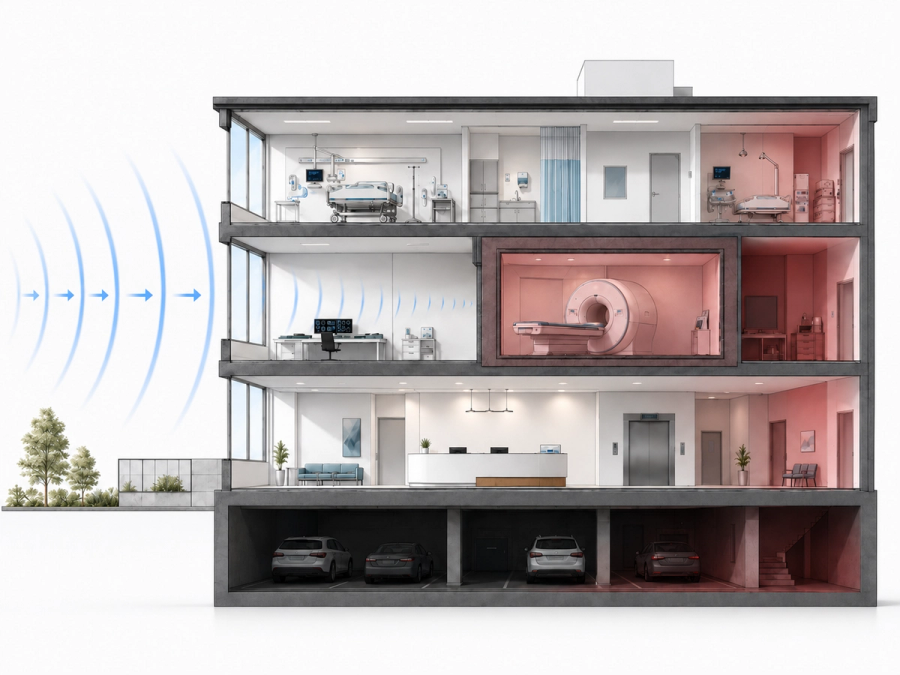
RF shielding around MRI and imaging equipment creates dead zones that are unpredictable without measurement, and lead-lined radiology walls block signal entirely. Most DAS integrators are not equipped for either.

The stakes are higher here than in any other building type. Nurses use cellular for patient communication, emergency responders depend on radio coverage, and life safety systems sit under NFPA 72 and your local fire marshal. Those requirements have to be met before a certificate of occupancy is issued, so coverage is on the critical path rather than the wish list.

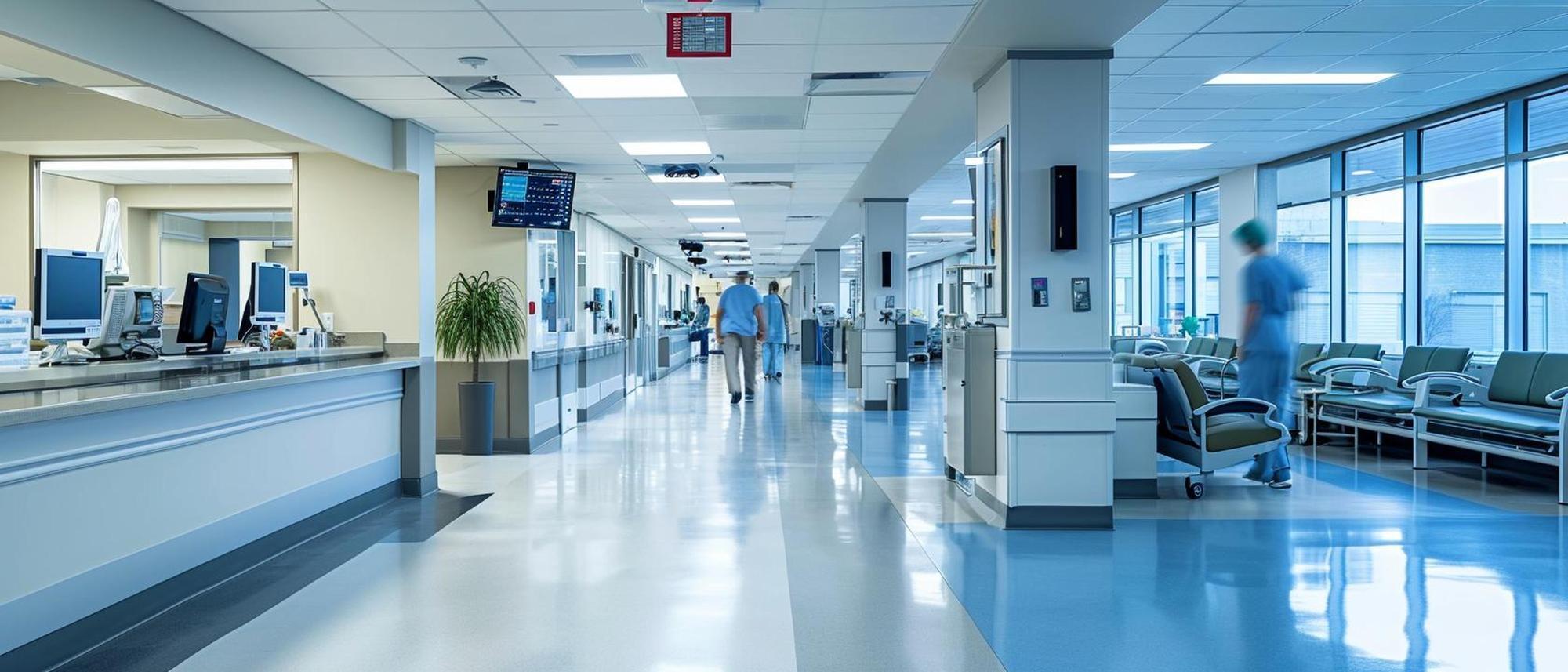
Hospitals rarely go offline, so the work happens around clinical operations, on nights and weekends, inside infection control requirements. RSRF has deployed DAS in occupied hospitals, medical office buildings and government healthcare facilities. We've done it before.

Cellular signal enters from the exterior but weakens rapidly as it travels deeper into the building. Lead-lined radiology suites, thick concrete floors, and below-grade parking levels create complete dead zones, even when outdoor signal is strong.

What we get called in to fix

Radiology dead zones

MRI and imaging suites with RF shielding block signal unpredictably.

Lead and concrete walls

Signal blocked entirely in shielded or heavy-construction wings.

NFPA 72 violations

Life safety compliance failures at fire marshal inspection.

Basement dead zones

No coverage in lower levels, mechanical rooms, or parking structures.

Emergency radio failures

911 and first responder radio dead zones throughout the building.

High-occupancy gaps

Poor coverage during shift changes and visiting hours.

Our happy clients

View all case studies

Questions we hear from facilities teams

Does your DAS system meet NFPA 72 and local fire marshal requirements for public safety communications?

Yes. We design systems to comply with NFPA 72 Chapter 24 (Emergency Communication Systems) and coordinate directly with local fire marshals on signal source approval and commissioning. Life safety compliance is part of every healthcare deployment we do, not an afterthought.

Can you install in an occupied hospital without disrupting patient care?

Yes. The majority of our healthcare projects are completed in fully occupied facilities. We schedule work around clinical hours, stage materials to minimize footprint, follow infection control requirements, and coordinate with facilities management throughout. Our project managers have specific experience in occupied healthcare environments.

How do you handle RF interference from MRI machines and imaging equipment?

We conduct a full RF signal benchmark before any design work begins. This includes identifying interference sources from medical imaging equipment and designing antenna placements and system architecture that work around them. We don't design from floor plans alone. We measure the actual signal environment.

Who coordinates with AT&T, Verizon, and T-Mobile for signal source approval?

We do. Carrier coordination is fully managed by RSRF. We prepare the technical documentation, submit to each carrier, manage the review process, and handle any back-and-forth. You don't need carrier contacts or relationships to get started.

What's the typical timeline for a hospital DAS project?

Most healthcare projects run 4–6 months from first call to live coverage. Design takes 3 to 5 weeks, and carrier approval runs alongside it, taking 4 to 8 weeks. Installation takes the longest because it has to happen around clinical hours. We'll give you a project-specific timeline on the discovery call.

What is a public safety DAS and is it required in hospitals?

Many jurisdictions require a separate or integrated public safety DAS (also called a BDA system) in healthcare facilities above a certain size. Requirements vary by state and local fire marshal. We assess your specific jurisdiction's requirements and design a system that meets both cellular and public safety standards, in a single deployment where possible.

Can your DAS support both cellular and public safety (BDA) requirements?

Yes. We design systems that address both commercial cellular coverage and public safety radio requirements, often integrating them into a single infrastructure to minimize cost and installation disruption. We coordinate with both carriers and local authorities having jurisdiction (AHJ) throughout the process.

“Our experience working with RSRF on the DAS for our new hospital was refreshingly positive. RSRF worked within our time constraints and was able to satisfy our needs from supplying all materials, to a crew of excellent installation technicians. If only more of my projects went as well as this. Recommended!”

John Howell

Architect & Telecoms Specialist, State of New York

Ready to fix cellular coverage in your building?

Schedule a free 30-minute call with an RSRF DAS specialist. We'll talk through your building, coverage challenges, carrier requirements, and the most practical options for improving service.

Understand which DAS technology fits your building

Get a realistic budget and timeline

Leave with clear next steps—no commitment required