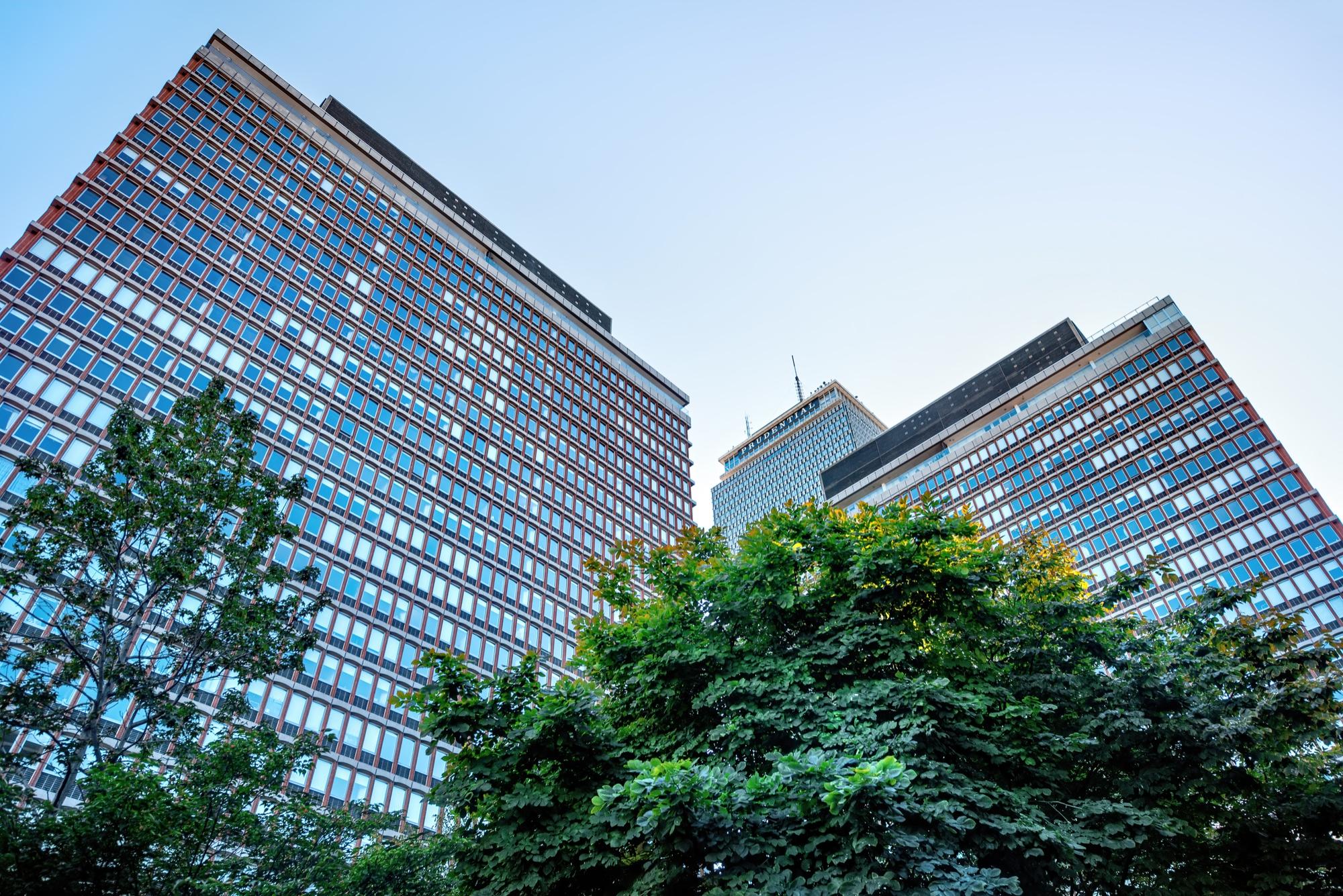
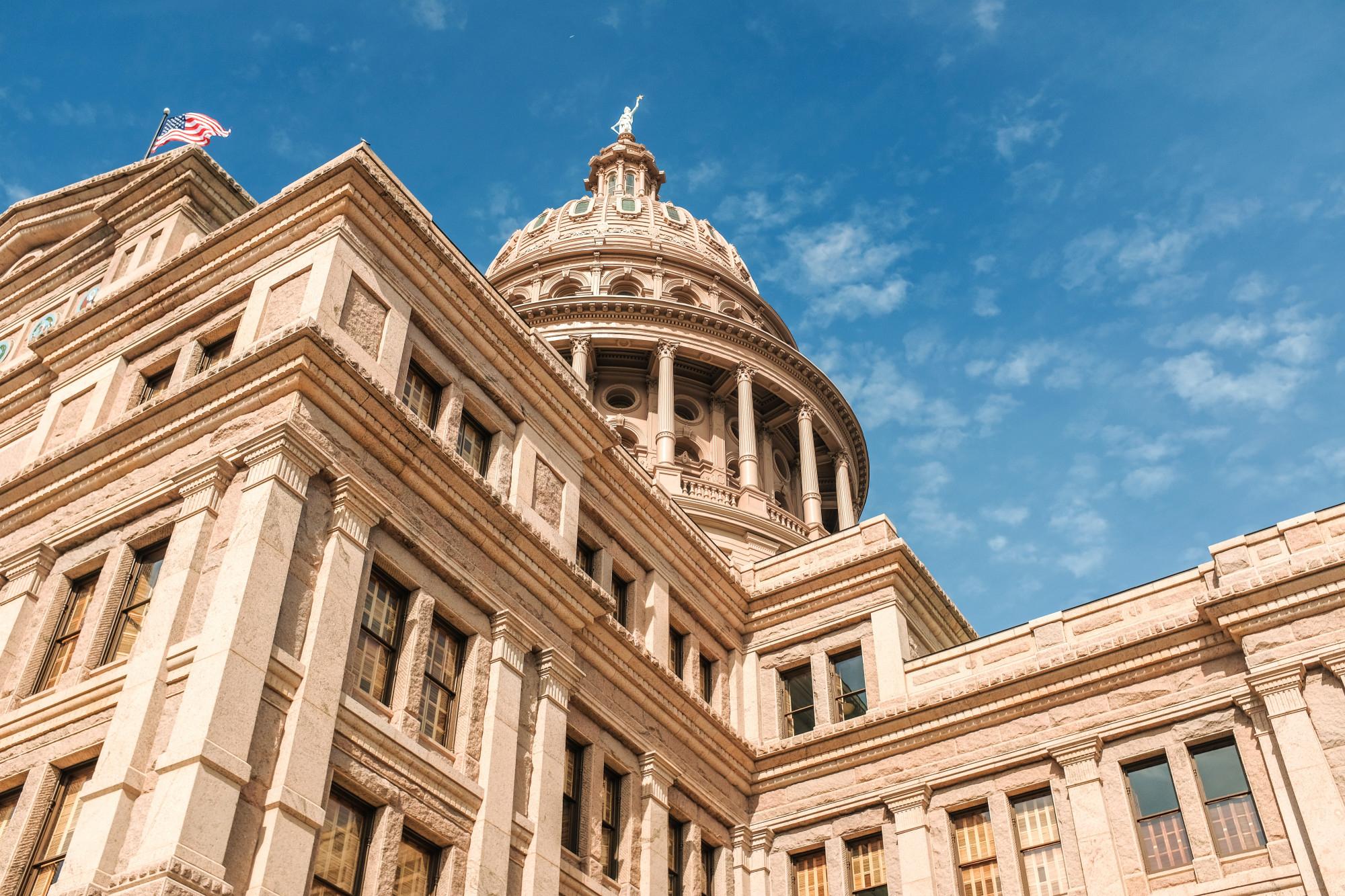
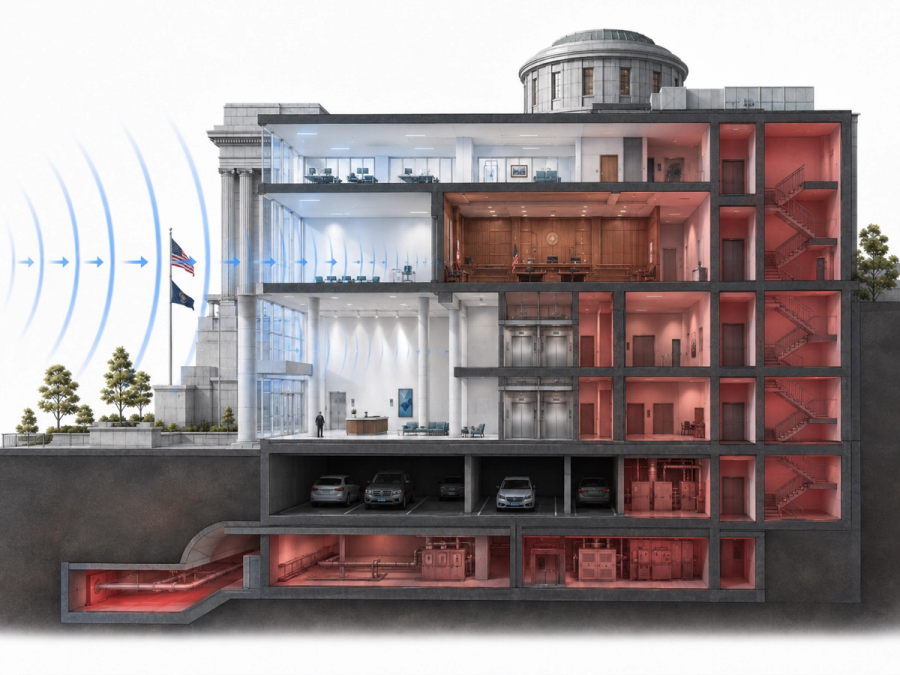
Government buildings were built before cellular was a safety issue.
Mid-century masonry and cast concrete blocks cellular signal almost entirely, and the same building usually has restricted wings where the design has to keep signal out of controlled space while covering the public side of the wall. Few DAS integrators do both.
Public safety compliance is not optional here. NFPA 72 and your fire marshal require verified first responder radio coverage through stairwells, elevator shafts, mechanical rooms and below-grade areas, and a certificate of occupancy needs documented proof of it rather than an assumption. A dead zone in a courthouse holding area is a security gap, not a complaint.
RSRF has deployed DAS and public safety radio in state and federal courthouses, city and county buildings, transit authority facilities and public safety command centers, inside their security protocols and with the doors open to the public. We've done it before.
What we get called in to fix
Masonry and cast concrete attenuation
Mid-century government construction absorbs cellular and radio frequencies, leaving interior offices and secure areas without usable coverage.
First responder radio compliance
NFPA 72 and local fire codes require verified emergency radio coverage throughout the building, including stairwells, restrooms, and below-grade areas.
Secure and restricted-access zones
System design must maintain coverage in public areas without inadvertently introducing signal into controlled or classified spaces.
Below-grade and tunnel coverage
Underground parking, transit connections, and sub-basement mechanical areas have no path for outdoor signal to reach them.
Occupied public facility installation
Work must proceed around active public services, court sessions, and agency operations without disruption.
Multi-building government complex coverage
Large government campuses and connected facility clusters require coordinated system design across multiple structures.
Questions we hear from facilities and safety teams
Do your systems meet NFPA 72 and local fire marshal requirements for first responder radio coverage?
Yes. We design and commission systems that meet NFPA 72 public safety radio coverage requirements and comply with local Authority Having Jurisdiction standards. Every installation is tested and documented to ensure first responder radios operate at required signal levels throughout the building, including stairwells, basements, and below-grade spaces that typically fail coverage audits.
Can you install in an active government building without disrupting public services or court operations?
Yes. We work in active facilities regularly and plan around operational requirements from the start. Work is phased and scheduled to avoid disruption to public-facing services, court sessions, and agency operations. Installation happens above ceiling tiles, in risers, and in back-of-house spaces wherever possible, and all access is coordinated in advance with your facilities team.
How do you handle coverage design in buildings with secure, restricted, or classified areas?
We work within whatever access protocols your facility requires. Coverage design accounts for restricted areas without requiring physical access during the design phase in most cases. Where access is required for installation, we coordinate badging, escort requirements, and scheduling with your security and facilities teams in advance. We have worked in secure government environments and understand the protocols involved.
Who provides the compliance documentation needed for fire marshal inspection sign-off?
We do. Every project includes a complete signal audit report with before-and-after coverage maps, system test results, and documentation formatted for Authority Having Jurisdiction review. We prepare everything your fire marshal needs for inspection sign-off and can participate in the inspection walkthrough if required.
Can the system support both commercial cellular coverage and a dedicated public safety or emergency radio network on the same infrastructure?
Yes. The same DAS infrastructure can carry commercial carrier signals alongside a dedicated public safety or emergency radio network simultaneously. This is standard for government facilities that operate their own dispatch or first responder communications. We design for both from the start so you are not running two separate systems through the same building.
What is the typical project timeline for a government building DAS deployment?
Most government building projects run 5 to 12 weeks from site survey to a live system. That breaks down as 1 to 3 weeks for system design and the on-site visit, 1 to 3 weeks for the final proposal, and 3 to 6 weeks for deployment once approved. Procurement and approval processes on the government side can affect the overall schedule, and we account for that in project planning.
Can you coordinate with our IT security and facilities teams on access, badging, and installation protocols?
Yes, and we prefer to. Early coordination with IT security and facilities is standard practice for us on government projects. We align on access requirements, badging procedures, escort policies, and installation windows before any work begins. The goal is zero surprises for your team throughout the project.
Ready to fix cellular coverage in your building?
Schedule a free 30-minute call with an RSRF DAS specialist. We'll talk through your building, coverage challenges, carrier requirements, and the most practical options for improving service.
Understand which DAS technology fits your building
Get a realistic budget and timeline
Leave with clear next steps—no commitment required
 [email protected]
 (800) 637-4049